

Notebooking is often described as the perfect blend of educational journaling and scrapbooking. Instead of relying on traditional, repetitive worksheets where students simply fill in the blanks, notebooking invites children to create a personalized compilation of what they have learned and experienced across any subject or activity.
Essentially, a student takes a blank notebook or binder and transforms it into their own textbook. It is a highly customizable approach designed to capture not only hard facts and academic knowledge but also the student’s personal reflections, thoughts, and unique insights about the material they are studying.
The Benefits
Notebooking is highly favored by many in education because it naturally shifts the educational focus away from rigid, standardized benchmarks and toward a deeply personalized, child-centered learning path.
1. Honors Asynchronous Development
Children rarely develop at the exact same pace across every single subject. Notebooking beautifully accommodates this asynchronous growth. Because the pages are blank to start, a child who excels in artistic expression but struggles with extensive writing can focus heavily on illustrations, diagrams, and short captions. As their writing skills catch up, the depth of their written text can grow naturally without them feeling held back or rushed by a pre-printed workbook.
2. Shifts from Rote Memorization to Deeper Retention
When a child completes a standard worksheet, they are often just hunting for a specific answer to clear the page. With notebooking, they must process the information, decide what is most important, and figure out how to communicate it in their own words and drawings. This active mental engagement acts like glue for the brain, leading to significantly higher long-term retention of the material.
3. Provides Flexible, Child-Centered Freedom
Whether you are diving into a nature study on creek ecosystems, exploring botany, or working through a comprehensive history curriculum, notebooking adapts to the child’s immediate interests. If a lesson on the American Revolution sparks a deep fascination with a specific historical figure, the child has the freedom to dedicate entire pages to that individual, transforming their notebook into a reflection of their true learning style.
4. Serves as a Living Portfolio and Keepsake
Unlike a stack of completed quizzes or loose worksheets that often end up in the recycling bin, notebooks become treasured keepsakes. They serve as a beautiful, tangible portfolio of a child’s hard work over the school year. When grandparents visit or when state evaluators ask to see proof of progress, children are almost always proud to pull their notebooks off the shelf to show exactly what they’ve accomplished.
5. Perfect for Multi-Age Learning
If you are teaching multiple children, notebooking allows you to teach a single unit study to the whole family, co-op or classroom at once while differentiating the output. On the exact same topic, a younger child’s notebook page might consist of a hand-drawn picture with a simple dictated sentence, while an older sibling’s page features detailed essays, labeled diagrams, and deeper primary source analysis.
If you are an All-Access member, membership covers the price of all resources. Listed prices are for non-members.
Click on the resources you want to view…

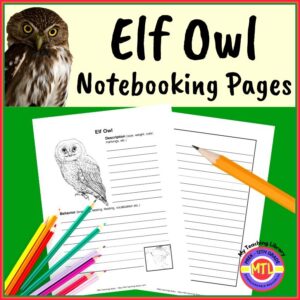
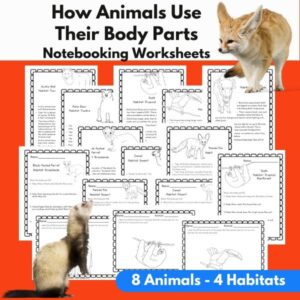
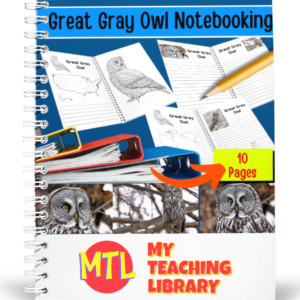
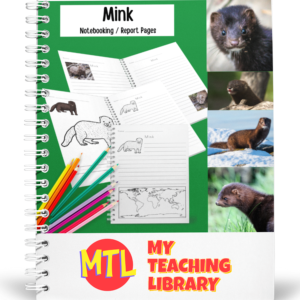
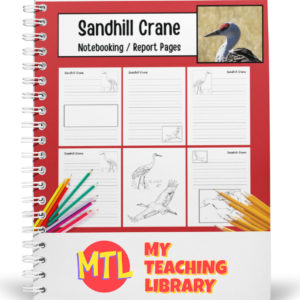
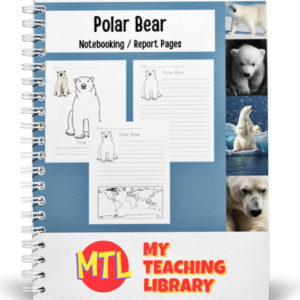

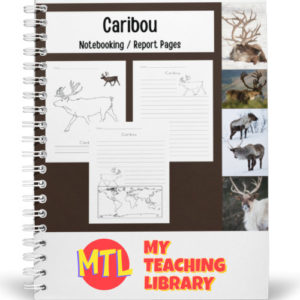
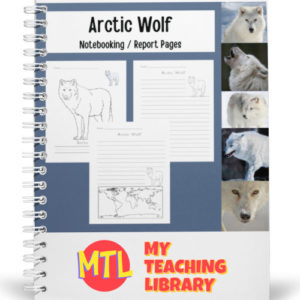
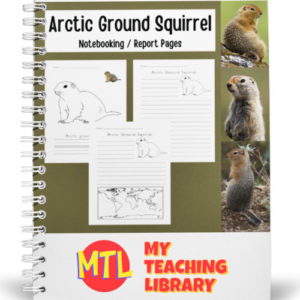
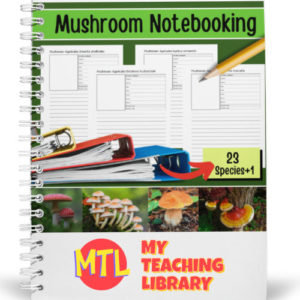


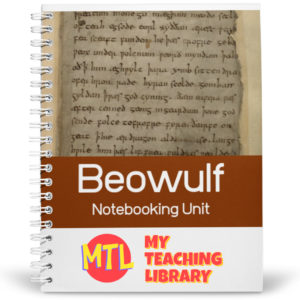

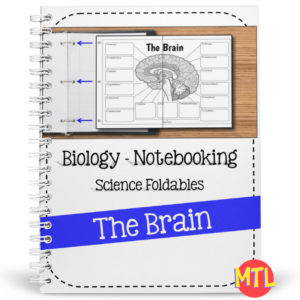

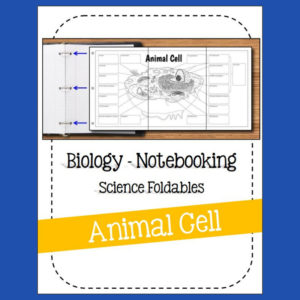
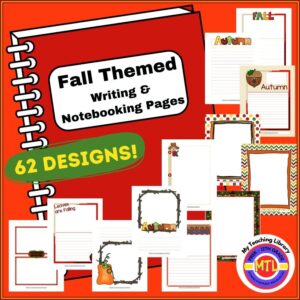
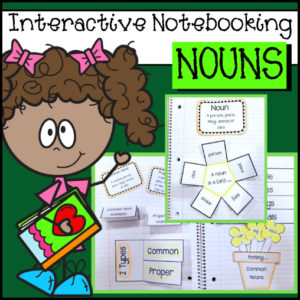
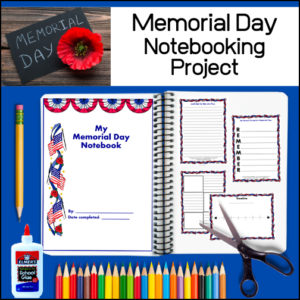
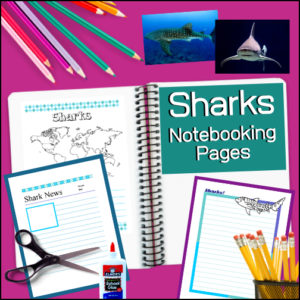
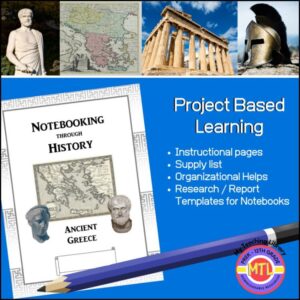

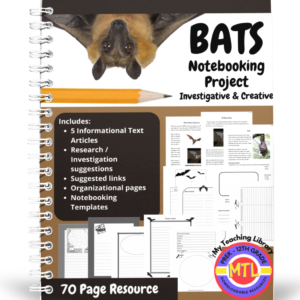

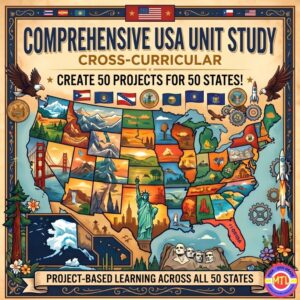
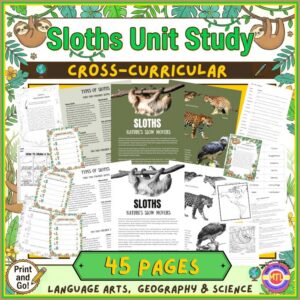

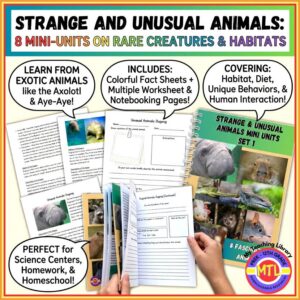

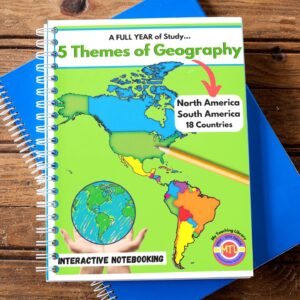


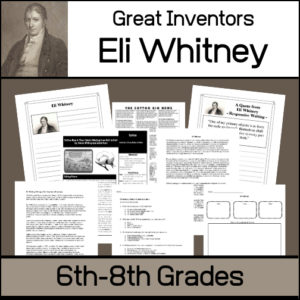
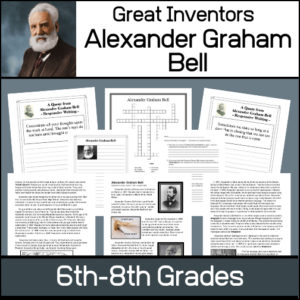
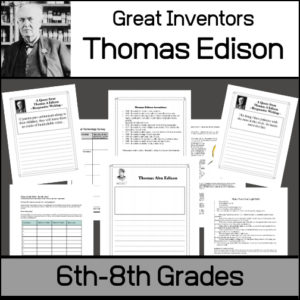
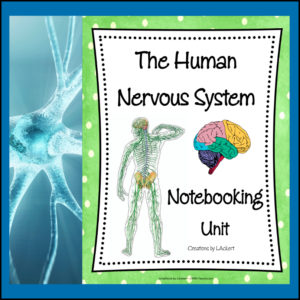
These are not all of the notebooking units available on My Teaching Library. We have additional units available! These include individual units from bundles shown above, units that are combined with lapbooking units as well as others. To see all units, you may begin to search here!