
Only logged in customers who have purchased this product may leave a review.
Products
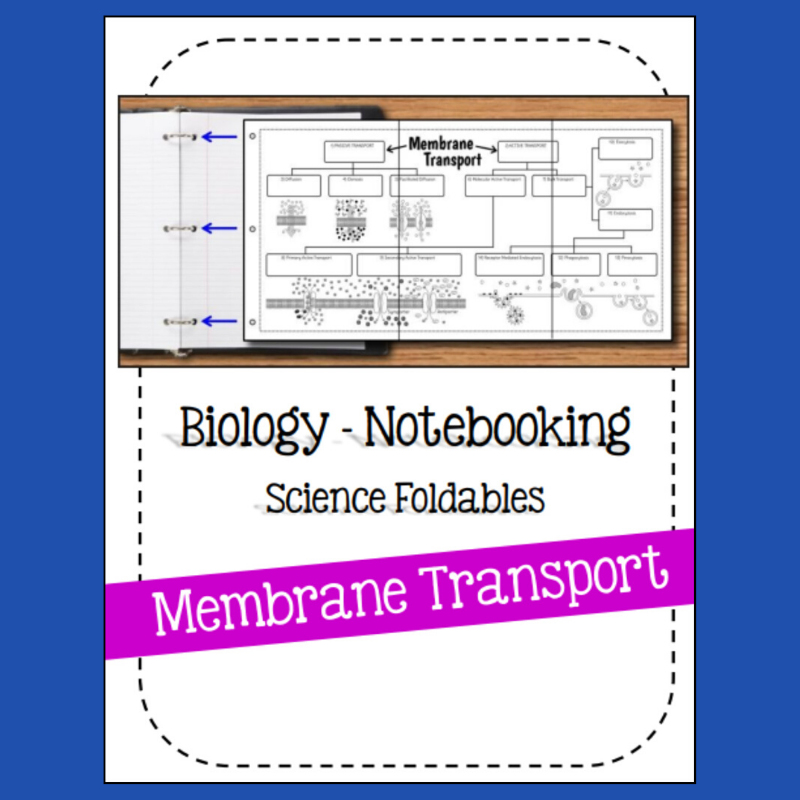
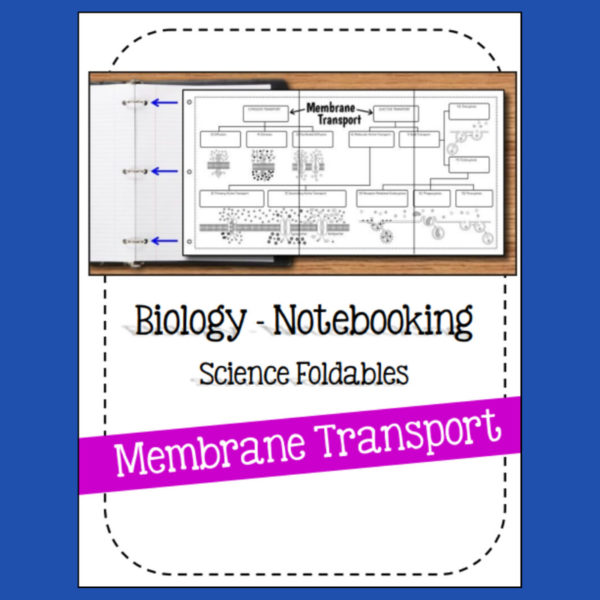
Biology Notebooking Foldable – Cell Membrane
$3.00
High School Biology Notebook resource!
Students will learn all about the cell membrane. Terms include: phospholipid, phospholipid bilayer, integral protein, peripheral protein, cholesterol, glycolipid, oligosaccharide/sugar chain, glycoprotein, transport, attachment and recognition, receptor for signalling, enzymatic activities
Related products
-
 $4.00Add to Cart
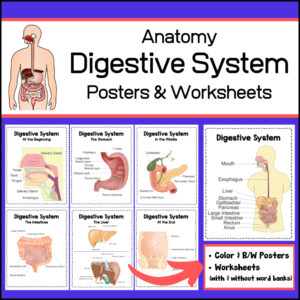
This ANATOMY / BIOLOGY / HEALTH resource includes 7 sets of posters and worksheets for your classroom, all involving human digestion. Each poster comes in color (great for bulletin boards) and b/w (great for student handouts) and each worksheet comes with and without a word bank.
-
$3.00Add to Cart
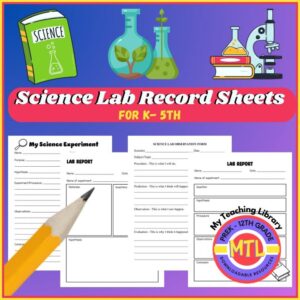
Science Experiment Lab Record Worksheets will give your students the ability to organize their activities, observations and conclusions for any experiment!
There are 3 different worksheets from which to choose:
#1: “Science Labe Observation Form” – 1 page
– Students will name themselves as the ‘scientist’ and will be given sections to name the subject/topic, give details for the procedure (what they will do), their prediction (what they think will happen, their observations (what they saw) and an evaluation (why they think the result happened and what was learned).#2: “Lab Report” – 2 pages
– First page (completed prior to the experiment): Students will name the experiment, list materials, questions they have and their hypothesis.
– Second page (completed after the experiment): Students will name the specific question they are testing, restate their hypothesis, detail the procedure and observations and then write their conclusions.#3: “My Science Experiment” – 1 page
– Students will state the purpose of the experiment, their hypothesis, detail the procedure, give their observations and write their conclusions. -
$2.00Add to Cart
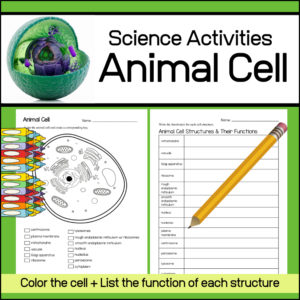
This Science / Biology resource includes 2 activity worksheets for students to help them review the structures / organelles of an animal cell and the main function(s) of each. Structures /organelles include: centrosome, plasma membrane, mitochondria, vacuole, Golgi apparatus, ribosome, lysosomes, rough endoplasmic reticulum, smooth endoplasmic reticulum, nucleus, nucleolus, peroxisome, cytoplasm
-
$3.00Add to Cart
Studying the state of Hawaii and state symbols? What is the state bird of Hawaii?
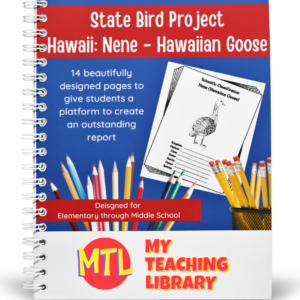
This project-based unit is designed to help students study and record information about Hawaii’s state bird: Nene – Hawaiian Goose
What type of pages are contained in this set:
– A map page (for the state)
– Scientific classification page
– A page for students to give details about the bird’s physical description, habitat, diet, life span and reproduction
– A page where students will do additional map work to show where in the U.S. the bird lives in addition to migration information
– Coloring page
– Several pages on which students can use for expository and/or creative writing as well as sections in which students may draw.14 pages in all and is designed for different levels / abilities.
My Teaching Library has a notebooking set for each of all 50 states. In addition, you can get all of them bundled!
Here are other bird related products you’ll love…


Reviews
There are no reviews yet.