
Category: Marine Science
Showing all 7 resultsSorted by latest
-
 $6.00Buy Now
Excite students as they learn all about whales and create an interactive project with this life science, hands-on, creative resource. This nonfiction science unit makes learning about baleen whales and toothed whales interesting and will help students develop reading, research, writing and organizational skills.
⭐Designed for 5th, 6th, 7th, and 8th grade students.
⭐Use as a fully stand-alone unit or students can research for additional information through books, videos and website.
⭐ Low-prep, comprehensive unit
⭐ Inspires reading, writing, organization, project research skills
⭐ Can be used to create a lapbook or interactive notebookWhat you get in this Whale unit:
- – How to use details
- – Images of how to create different style/size lapbooks and examples of interactive notebook pages
- – Supply list
- – Student forms: Required elements and grading rubric
- – Project grading form
- – Informational text covering topics such as classification, anatomy, behavior, communication, diet, life cycle, habitat and species-specific information for the following: Bottlenose whale, Cluver’s Beaked whale, Beluga whale, Killer whale, Narwhal, Sperm whale, Blue whale, Bowhead whale, fin whale, humpback whale and the Gray whale
- – Vocabulary
- – Whale surfacing behaviors – Images and descriptions
- – Suggested book titles for further research
- – Clipart
- – Project templates
-
 $1.25Buy Now
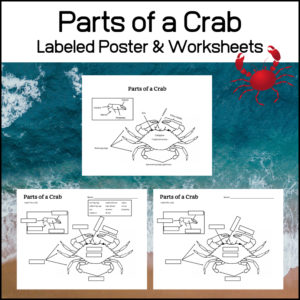
Is your Science class studying (or preparing to study) ocean life, crustaceans or the phylum Arthropoda? This resource, Parts of a Crab – Poster & Worksheets, includes a labeled poster of a crab and 2 worksheets (or quizzes).
-
 $15.00Buy Now
Complete Marine Science Student Curriculum
Units include: The Hydrosphere, Measuring the Ocean, The Nature of Seawater, Waves, Tides, Ocean Currents, The Ocean Floor, Ocean Sediments, Food Chains & Webs, Ocean Zones, Near-shore Ecosystems, Plankton, Marine Plants, Classifying Marine Animals, Cold-blooded Swimmers, Marine Mammals, Marine Pollution, Marine Resources
Get your Teacher’s Guide here!
-
 $4.50Buy Now
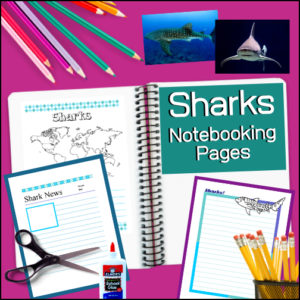
There are over 500 known species of sharks in the world! Most students love studying sharks and this unit has been created to help students record the knowledge they learn during a study on sharks as well as personal reflections of what has been learned.
This resource includes:
- – Creating a Notebooking Project…What is Notebookiing?
- – Supply list
- – Teacher pages
- – Student organizational pages
- -‘Jump off’ Questions designed to get students thinking about the different shark related questions they can research
- – 32 Notebooking pages
Notebooking is a coined term for what can also be referred to as educational journaling or scrapbooking.
-
$1.50Buy Now
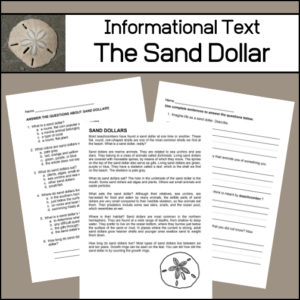
This informational article will teach students about the sand dollar. They will learn that the little round, coin-shaped shell found on the beach is actually part of a marine animal, related to sea urchins and sea stars. They will also learn how living sand dollars move, that they aren’t ‘white’, how and what they eat and much more. After reading, students will complete two worksheets (multiple choice and short answer) to assess their comprehension / understanding of the material. Answer Key is provided.
Automated Readability Index: 4.8
Grade level: 8-9 yrs. old (Fourth and Fifth graders)
Linsear Write Formula : 5.6
Grade level: Sixth Grade. -
$2.00Buy Now
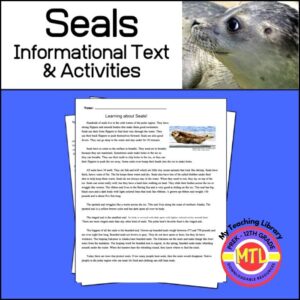
This informational text article is all about seals, where they live, their physical characteristics and about several different types of this cold-water mammal. After reading, students will complete a reading comprehension worksheet and (optional) write a story! Answer key provided.
-
$15.00Buy Now
Marine Science Teacher Edition to use alongside the Marine Science Student Edition
Units include: The Hydrosphere, Measuring the Ocean, The Nature of Seawater, Waves, Tides, Ocean Currents, The Ocean Floor, Ocean Sediments, Food Chains & Webs, Ocean Zones, Near-shore Ecosystems, Plankton, Marine Plants, Classifying Marine Animals, Cold-blooded Swimmers, Marine Mammals, Marine Pollution, Marine Resources