
Category: Interactive Learning
Showing 1–20 of 45 resultsSorted by latest
-
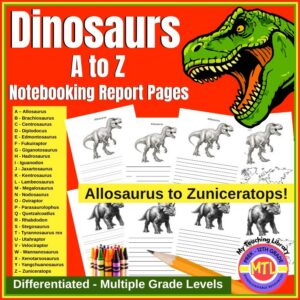
Dinosaurs A-Z | Research, Report, Notebooking, Project Pages | Multi-Grade to Pinterest (opens in a new window)
 $6.75Add to Cart
Have students wanting to learn about dinosaurs? Want to incorporate hands-on, project learning into your science lessons that will not only help student learning ‘stick’ but will allow students to walk away with beautiful projects? Get ready to roar with excitement because your problem is solved!
PLEASE NOTE: This resource does not mention the age of the earth or periods of time.
Get My Teaching Library’s “Dinosaurs A-Z | Research, Report, Notebooking, Project Pages | Multi-Grade” and watch students’ love of learning ignite!
Regardless of whether you are teaching 1st grade or 12th, this resource will work because it has been designed with pages for all ages – abilities – grades!
✨ What’s Included:
- – 4 pages for each of these dinosaurs (Multi-level, ability writing/reporting plus map work): A – Allosauru,s B – Brachiosaurus, C – Centrosaurus, D – Diplodocus, E – Edmontosaurus, F – Fukuiraptor, G – Giganotosaurus, H – Hadrosaurus, I – Iguanodon, J – Jaxartosaurus, K – Kentrosaurus, L – Lambeosaurus, M – Megalosaurus, N – Nodosaurus, O – Oviraptor, P – Parasaurolophus, Q – Quetzalcoatlus, R – Rhabdodon, S – Stegosaurus, T – Tyrannosaurus Rex, U – Utahraptor, V – Velociraptor, W – Wannanosaurus, X – Xenotarsosaurus, Y – Yangchuanosaurus ,Z – Zuniceratops
- – 5 extra pages to continue reporting on each dinosaur if needed (both writing and drawing pages).
✅ Perfect For…
- – Dinosaur enthusiasts of all ages who love to dive deep into research and creative reporting.
- – Project-based learning units focused on paleontology.
- – Inspiring hands-on science activities that connect real-world learning.
-
$4.00Add to Cart
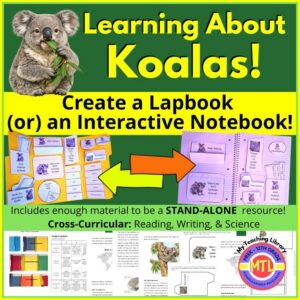
🐨 Planning to study Koalas? Marsupials? Animals of Australia/ If so, your students will love the student-centered, hands-on, cross-curricular project where they’ll learn all about Koalas while creating a lapbook or an interactive notebook!
🐨This can be used as a stand-alone unit that includes all of the informational materials, a map, and templates needed to create a beautiful project. Although this can be used completely as a stand-alone unit, a booklist is given if further research and reading is desired.
🐨Includes:
– Instructions and lapbook/notebooking examples
– Supply list
– Required elements checklist (optional for teacher assigned elements)
– Grading rubric and grading sheet
– Informational text covering:- Taxonomy
- Closest Relatives
- Anatomy
- Where they live (Habitat and Map)
- Diet
- Life Cycle
- Predators
- Fun Facts
- Vocabulary
– 11 pages of templates
– (Bonus) Nature’s Predators of the Koala Coloring Page -
$5.00Add to Cart
Here is a penguin unit study that is a student-centered, hands-on, cross-curricular project where they’ll learn all about 15 types of penguins while creating a lapbook or an interactive notebook!
🐧This can be used as a stand-alone unit that includes all of the informational materials, maps, illustrations and templates needed to create a beautiful project. However, a booklist is given if further research and reading is desired.
🐧Includes:
– Instructions and lapbook/notebooking examples
– Supply list
– Required elements checklist (optional for teacher assigned elements)
– Grading rubric and grading sheet
– Informational text covering: taxonomy, general information about penguins and unusual facts about penguins
– Detail fact sheets about the following species (includes image and location map for each): Adelie penguin, African penguin, Chinstrap penguin, Emperor penguin, Erect Crested penguin, Fiordland penguin, Galapagos penguin, Gentoo penguin, Humboldt penguin, King penguin, Little Blue penguin, Macaroni penguin, Magellanic penguin, Rockhopper penguin, Royal penguin
– Vocabulary
– Book suggestions for additional reading
– Illustration of a penguin’s basic anatomy– Illustration of the penguin life cycle
– 21 pages of templates that can be used to either create a lapbook or use in an interactive notebook -
Whale Unit Study | Life Science Lapbook and Interactive Notebook to Pinterest (opens in a new window)$6.00Add to Cart
Excite students as they learn all about whales and create an interactive project with this life science, hands-on, creative resource. This nonfiction science unit makes learning about baleen whales and toothed whales interesting and will help students develop reading, research, writing and organizational skills.
⭐Designed for 5th, 6th, 7th, and 8th grade students.
⭐Use as a fully stand-alone unit or students can research for additional information through books, videos and website.
⭐ Low-prep, comprehensive unit
⭐ Inspires reading, writing, organization, project research skills
⭐ Can be used to create a lapbook or interactive notebookWhat you get in this Whale unit:
- – How to use details
- – Images of how to create different style/size lapbooks and examples of interactive notebook pages
- – Supply list
- – Student forms: Required elements and grading rubric
- – Project grading form
- – Informational text covering topics such as classification, anatomy, behavior, communication, diet, life cycle, habitat and species-specific information for the following: Bottlenose whale, Cluver’s Beaked whale, Beluga whale, Killer whale, Narwhal, Sperm whale, Blue whale, Bowhead whale, fin whale, humpback whale and the Gray whale
- – Vocabulary
- – Whale surfacing behaviors – Images and descriptions
- – Suggested book titles for further research
- – Clipart
- – Project templates
-
$1.00Add to Cart
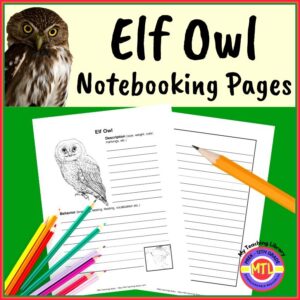
Elf Owl Notebooking pages provides students with two recording pages to report on this small owl that is the size of a sparrow! The first page includes an image to color and lines for students to describe the owl’s appearance and behavior. They will also be able to report on the range where it is found and complete map work. The second page can be duplicated as many times as necessary needed for students to write a report on the bird.
Suggested research link: Elf Owl Overview
Get My Teaching Library’s full Birds of Prey Notebooking Pages Resource!
-
$3.00Add to Cart
This unit is full of hands-on, interactive science exploration and discovery! Students will work with 4 items commonly associated with autumn: a pumpkin, an apple, an acorn and a gourd.
Using each, they will be guided through several activities to observe, hypothesize, describe and explore the items. They will also draw, color and write throughout. Fall fun activities that will excite your young scientists. (14 pages)
-
$5.00Add to Cart
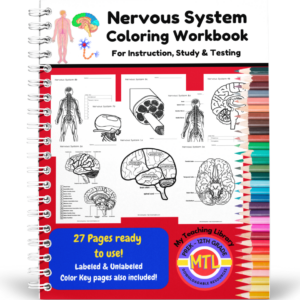
Complete and detailed, this Nervous System Coloring Workbook is perfect for instruction, study and even testing high school level Biology and Anatomy students. There are 9 different illustrations (diagrams) and each have three types of pages:
a: labeled
b. unlabeled with blank color key
c. unlabeled
Detailed teacher notes are included which give suggestions on the use of each. -
Strange and Unusual Animals: 8 Mini-Units on Rare Creatures & Habitats to Pinterest (opens in a new window)$8.00Add to Cart
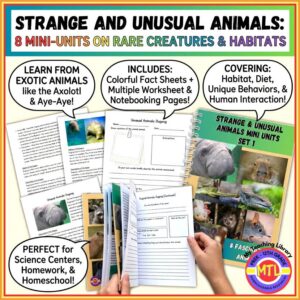
🐾 Discover the Extraordinary: Strange and Unusual Animals Mini-Units (Set 1) 🌍
Are you looking to spice up your science curriculum? Spark student curiosity and wonder with this deep dive into the world’s most peculiar creatures!
This comprehensive set features 8 mini-units designed to take students on a journey to meet animals they won’t find in a typical textbook. From the depths of the water to the heights of the rainforest canopy, your students will become experts on the “weird and wonderful.”
🧬 What’s Inside?
Each of the 8 mini-units is packed with engaging information and vibrant, colorful photos to keep young learners hooked. Students will explore:
-
Physical Characteristics: What makes them look so unique? 🦎
-
Habitats & Locations: Where in the world do they hide? 🗺️
-
Dietary Habits: What’s on the menu for a Fossa or a Dugong? 🌿
-
Human Interaction: Are they pets, or are they better left in the wild? 🏠
-
Mind-Blowing Facts: The “strange” details that make these animals unforgettable! 💡
🐊 Featured Animals in Set 1:
-
Gharial (The long-snouted crocodilian)
-
Dugong (The “sea cow” of the ocean)
-
Capybara (The world’s largest, chillest rodent)
-
Blue-Tongued Skink (A reptile with a colorful surprise)
-
Axolotl (The smiling salamander)
-
Aye-Aye (The mysterious primate of Madagascar)
-
Elephant Shrew (Tiny, fast, and trunk-nosed)
-
Fossa (The elusive predator of the forest)
📝 What You’ll Love:
-
Vibrant Visuals: Real-life photos bring the science to life! 📸
-
Active Learning: Every unit includes 2 notebooking pages per animal to test comprehension and encourage research.
-
Extension Activities: Includes a “Taking it Further” section with creative suggestions for projects and deep-dives to keep the momentum going! 🚀
-
Low Prep: Just print and go—perfect for science centers, independent study, or a “Creature of the Week” feature.
✨ Keep the Adventure Going!
If your students fall in love with these rare creatures, don’t stop here!
Grab Strange and Unusual Animals | Set 2 -
-
$3.00Add to Cart
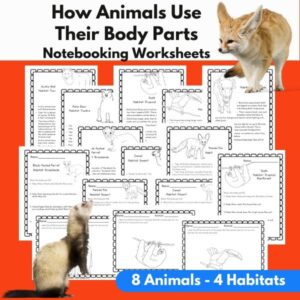
In this unit study, students will learn how 8 different animals (4 different habitats) use many of their body parts to live and survive. For each animal, students will be given a fact sheet, a short answer worksheet and a worksheet on which they will label and describe the specific body parts and how they are used.
Animals covered in this unit are:
– Desert Habitat: Camel, Fennec Fox
– Grasslands: Black-footed Ferret, Bison
– Tropical Rainforest: Sloth, Toucan
– Tundra: Polar Bear, Arctic Wolf -
$3.00Add to Cart
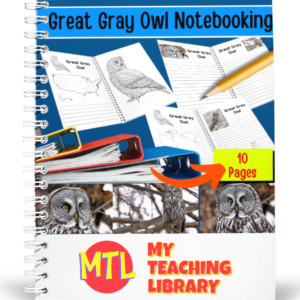
This Great Gray Owl resource includes ten pages perfect for any student creating a report or project on this bird! There are nine pages that can be used to record findings such as its scientific classification, range, habitat, diet and much more. The last page includes a full black and white illustration so that students can create a colorful picture of this magnificent owl.
Students can use a variety of resources to learn about the owl or they can go to “The Great Gray Owl“.
-
$2.50Add to Cart
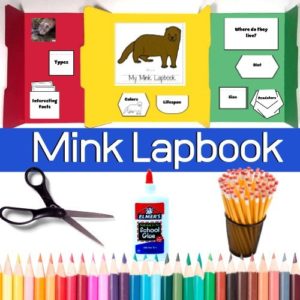
Students will love this hands-on resource designed to create a fun Mink Lapbook!
Includes Lapbooking instructions, templates to use as they record what they know or are learning about minks, (such as where they live, the types, size, predators, diet and more) and a lapbooking rubric.
Designed to use with multiple age / grade levels.
-
$2.00Add to Cart
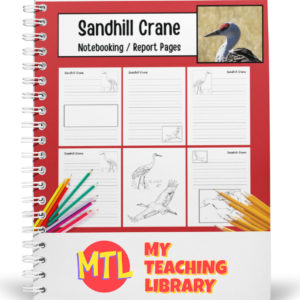
Sandhill Cranes are large birds that live in open habitats across North America. Students can use these pages to produce a beautiful report or project on these magnificent birds! Includes 5 notebooking pages (one with a North American map) and 1 coloring page.
-
$2.00Add to Cart
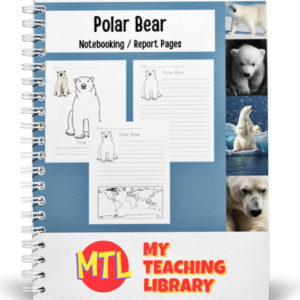
Students will love using these pages to create a report on the polar bear! Perfect to use during a study of the arctic region, tundra animals or as a cross-curricular unit that will have students reading, writing, completing map work (geography) and learning about the life of the polar bear (science).
Check out My Teaching Library’s article: Learning about the Polar Bear!
-
$2.00Add to Cart
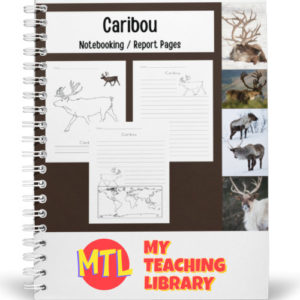
Students will love using these pages to create a report on caribou, also known as the reindeer! Perfect to use during a study of the arctic region, tundra animals or as a cross-curricular unit that will have students reading, writing, completing map work (geography) and learning about the life of the caribou (science).
Check out My Teaching Library’s article: Caribou or a Reindeer?
-
$2.00Add to Cart
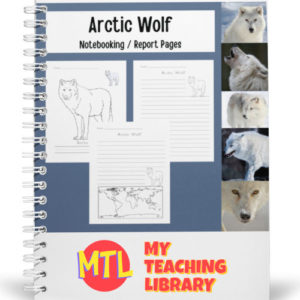
Students will love using these pages to create a report on the Arctic wolf also known as the polar wolf! Perfect to use during a study of the arctic region, tundra animals or as a cross-curricular unit that will have students reading, writing, completing map work (geography) and learning about the life of the wolf (science).
Check out My Teaching Library’s article: Learning about the Arctic Wolf!
-
$2.00Add to Cart
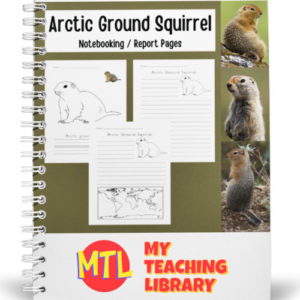
Students will love using these pages to create a report on the cute, Arctic ground squirrel that lives in Alaska, Canada and Siberia! Perfect to use during a study of the arctic region, tundra animals or as a cross-curricular unit that will have students reading, writing, completing map work (geography) and learning about the life of this cute little squirrel (science).
Check out My Teaching Library’s article: Arctic Ground Squirrel
-
Sale!Original price was: $15.00.$12.00Current price is: $12.00.Add to Cart
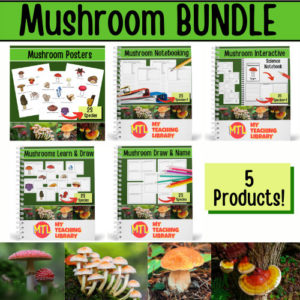
My Teaching Library has bundled 5 MUSHROOM products to help you SAVE and have a variety of fantastic classroom resources to help you teach…
- – If you teach Science for 6th-12th grades, this bundle is for you!
- – If you teach an outdoor nature-based class, this bundle is for you!
- – If you want to give your student(s) a fun, research-based unit study, this bundle is for you!
-
$4.00Add to Cart
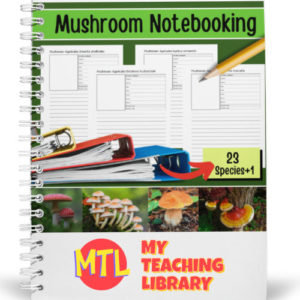
Students will use these notebooking pages to record information about 23 different species of mushrooms. Perfect for a Science or Biology classroom studying fungi!
In addition to the named 23 species, student are given an extra page to add additional species if they choose (or if you instruct them to add others).
On each page, students will draw a picture of the species, give the complete scientific classification and record additional information they learn through research, reading books or using the current curriculum.
-
$3.00Add to Cart
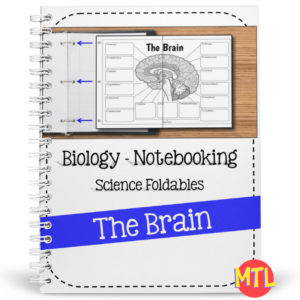
High School Biology Notebook resource!
Students will learn all of the major parts of the brain including ventricles, cingulate gyrus, thalamus, hypothalamus, optic chiasm, pituitary gland, midbrain, pons, medulla oblongata, meninges, cerebral cortex, cerebrum, corpus callosum, pineal gland, cerebellum, occipital lobe, parietal lobe, temporal lobe, frontal lobe
-
Turkey Lapbook | Thanksgiving Science & Fall Interactive Project to Pinterest (opens in a new window)$5.00Add to Cart
Transform your science and seasonal lessons into an engaging, interactive adventure with the Turkeys Lapbooking Unit! Perfect for classroom teachers, homeschool families, and co-op instructors, this 31-page hands-on resource turns ordinary learning into an interactive showcase of student discovery.
From wild turkey biology, classification, and anatomy to holiday traditions, history, and Thanksgiving reflections, this unit bridges life science and social studies in a format students are proud to keep.
Designed with complete instructional flexibility, it empowers educators to scale content up or down depending on the student’s grade, interest, and ability level. Rather than dictating rigid placement, this resource encourages learners to design, organize, and construct their own custom lapbook—fostering ownership, fine motor skills, and organizational thinking.
What’s Included
This 31-page downloadable PDF package is fully stocked with ready-to-print templates, informational reading sheets, and decorative assets:
- Teacher & Student Setup Guides: Easy-to-follow visual instructions for building single-folder, single tri-fold, or expanded double tri-fold lapbook bases.
- Planning & Assessment Tools: A teacher-directed assignment checklist with due dates form and a complete grading rubric.
- Comprehensive Turkey Fact Sheets: High-interest informational reading covering scientific classification, life spans, diets, habitats, reproduction, flight capabilities, senses, and Thanksgiving traditions.
- Vocabulary & Terminology Resources: Curated turkey terminology (poults, hens, toms, rafters, snoods, caruncles, wattles) alongside recommended reading lists.
- Diagrams & Visual Reference: Detailed labeled diagrams illustrating wild turkey anatomy and the physiological differences between hens and gobblers.
- Interactive Mini-Books & Foldables:
- Anatomy flaps and cut-and-paste labeling diagrams
- Question flap-books exploring habitats, predators, diet, flight abilities, and historical trivia
- Pentagonal and hexagonal foldables covering turkey tracks and Native American connections
- Interactive pockets for custom vocabulary flashcards and photo collections
- “Things I’m Thankful For…” craft foldables and reflective writing prompts
- Blank foldout templates for independent research, student-driven questions, and extra writing
- Full-Color Photos & Clipart: Vivid, high-resolution photographs of wild and domestic turkeys, silhouette cut-outs, decorative turkey track trails, and student coloring elements to personalize every project.
Key Educational Benefits
- Promotes Critical Thinking & Ownership: Instead of filling out cookie-cutter worksheets, students arrange and structure their own lapbooks, building real-world spatial planning and organizational skills.
- Multi-Age & Multi-Level Flexibility: Easily adapt the depth of study by selecting the specific mini-books that best match your students’ learning styles, from early elementary to middle school.
- Cross-Curricular Integration: Seamlessly weaves life science, scientific taxonomy, reading comprehension, descriptive writing, and American history into one unified unit.
- High-Engagement, Tactile Learning: Kinesthetic cutting, folding, gluing, and coloring keep active learners focused and excited about biological science.
- All-in-One Convenience: Includes instructional reading, activities, art elements, assignment tracking, and rubrics—cutting down prep time while delivering an enriched educational experience.
How to Use This Resource
- Thanksgiving Themed Unit Study: Dive into the history, folklore, and biology behind North America’s most iconic bird during the weeks leading up to Thanksgiving.
- Hands-On Science Center: Set up printed templates, scissors, and reference books at a classroom station where students complete individual flaps throughout your bird or zoology unit.
- Homeschool Portfolio Project: Guide your child through the research sheets and foldables over a one- or two-week block, creating a keepsake lapbook to showcase in your end-of-year homeschool portfolio.
- Co-Op Science Presentations: Have students research different turkey subspecies, build their lapbooks, and present their finished tri-folds to the group using the included rubric for evaluation.
- Independent Extension: Use the included blank foldables for advanced learners to conduct open-ended library research on wild turkey conservation or behavior.
Get Started Today
Inspire a passion for wildlife science and hands-on discovery in your learning space!
Download the Turkeys Lapbooking Unit today and watch your students create an interactive learning keepsake they will be proud to share!