
Description
All-Access members do not pay for this or any resource. Become an All-Access member today!
________________________
|
Get the MOST from My Teaching Library by connecting with us here: |


$3.00
✏️A student-centered resource to help students learn and practice research skills, report writing, project and presentation skills.
Students will use this project-based unit to learn about and report on Phillis Wheatley. Phillis Wheatley was the first African American woman to publish a book of poetry. Born in West Africa, she was sold into slavery at the age of seven or eight and transported to North America. She was purchased by the Wheatley family of Boston, who taught her to read and write and encouraged her poetry when they saw her talent.
✏️This notebooking project unit can be assigned individually or within cooperative groups. Use it within a Language Arts classroom or a Social Studies / U.S. History classroom. Very flexible and cross-curricular! After completing the written portion of this resource, you can grade it (or) assign students to do an oral and/or audio-visual presentation based on their findings/work.
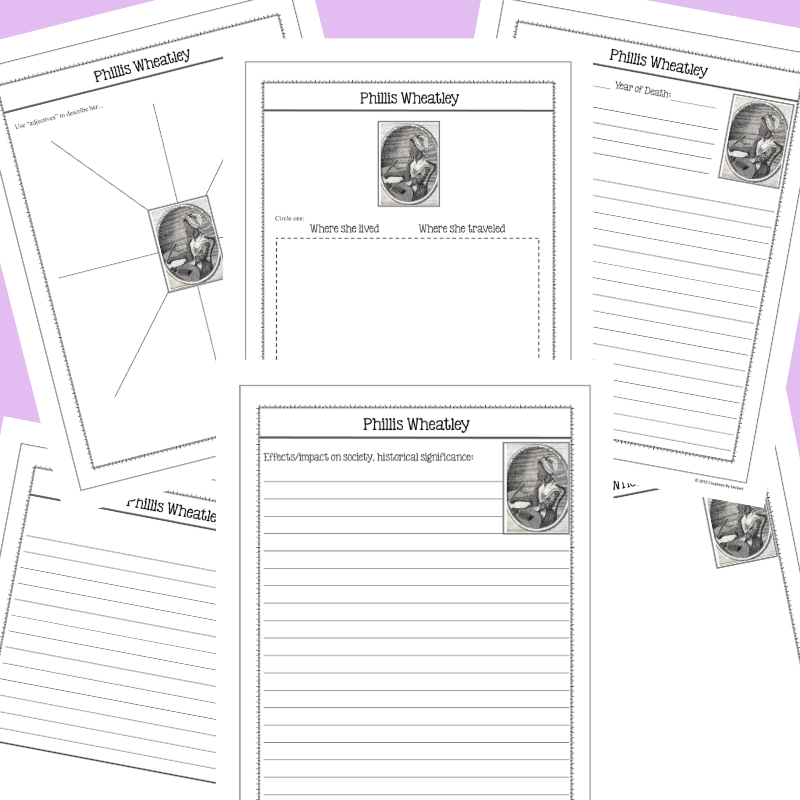
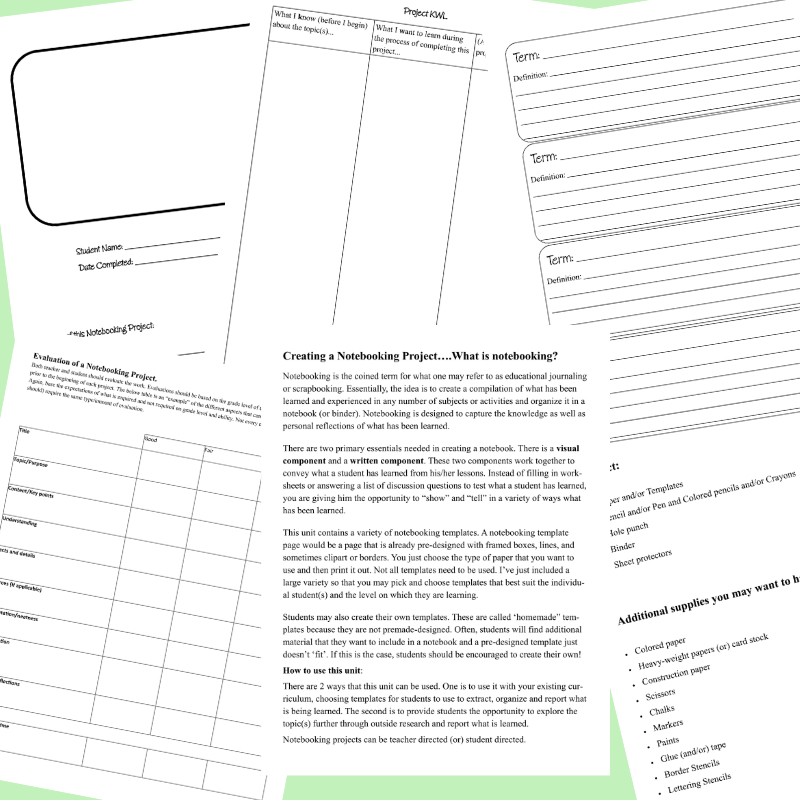
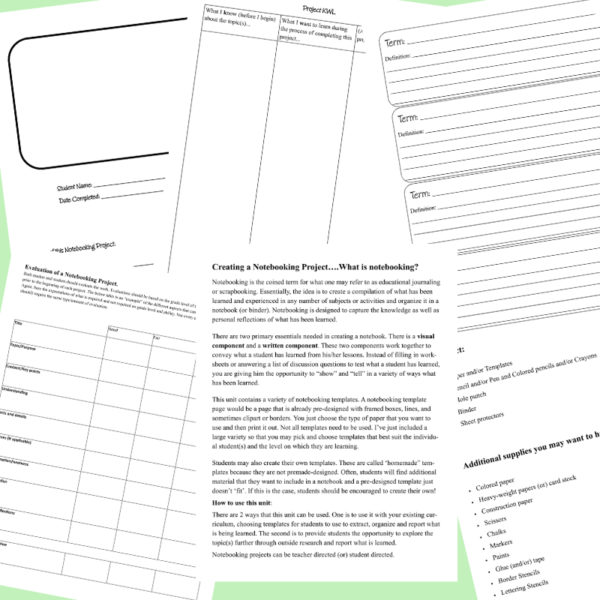
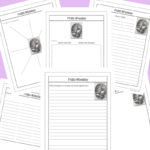
✏️What is in this resource?
All-Access members do not pay for this or any resource. Become an All-Access member today!
________________________
|
Get the MOST from My Teaching Library by connecting with us here: |
Only logged in customers who have purchased this product may leave a review.
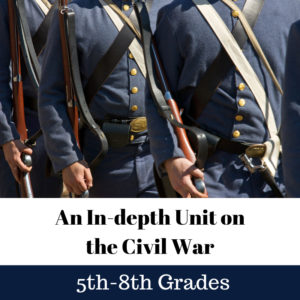
This 109 page Civil War teaching unit takes students through 9 different sections:
** Includes 7 PowerPoints **
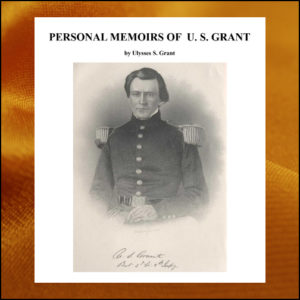
This is a downloadable copy of the book. (548 pages)
About the book: Completed just days before his death and hailed by Mark Twain as “the most remarkable work of its kind since the Commentaries of Julius Caesar,” this is the now-legendary autobiography of ULYSSES SIMPSON GRANT (1822-1885), 18th president of the United States and the Union general who led the North to victory in the Civil War. Though Grant opens with tales of his boyhood, his education at West Point, and his early military career in the Mexican-American war of the 1840s, it is Grant’s intimate observations on the conduct of the Civil War, which make up the bulk of the work, that have made this required reading for history students, military strategists, and Civil War buffs alike. This unabridged edition features all the material that was originally published in two volumes in 1885 and 1886, including maps, illustrations, and the text of Grant’s July 1865 report to Washington on the state of the armies under his command.
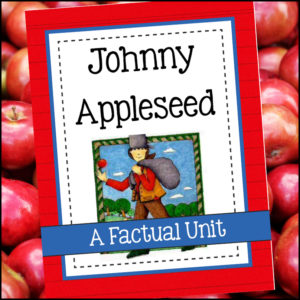
Multilevel & Cross-Curricular: This 42 page resource, Johnny Appleseed Unit – A Factual Unit for 4th-8th grades, is centered on factual information and contains a variety of Language Arts and Social Studies activities.
Students will be asked to complete writing activities, map and timeline activities and more. Activities can be assigned individually or within a cooperative learning setting.
This is a downloadable copy of the book. (643 pages – Christian World-View)
About the book: Lord begins the book (Chapter 1 – Antediluvian World) with the Creation and the Garden of Eden. The book continues up to and through the Fall of the Roman Empire. A great deal can be learned about a variety of states and empires and more specifically the Greek and Roman empires. Published in 1869.


Reviews
There are no reviews yet.