

Description

All-Access members do not pay for this or any resource. Become an All-Access member today!
________________________
|
Get the MOST from My Teaching Library by connecting with us here: |

$2.50
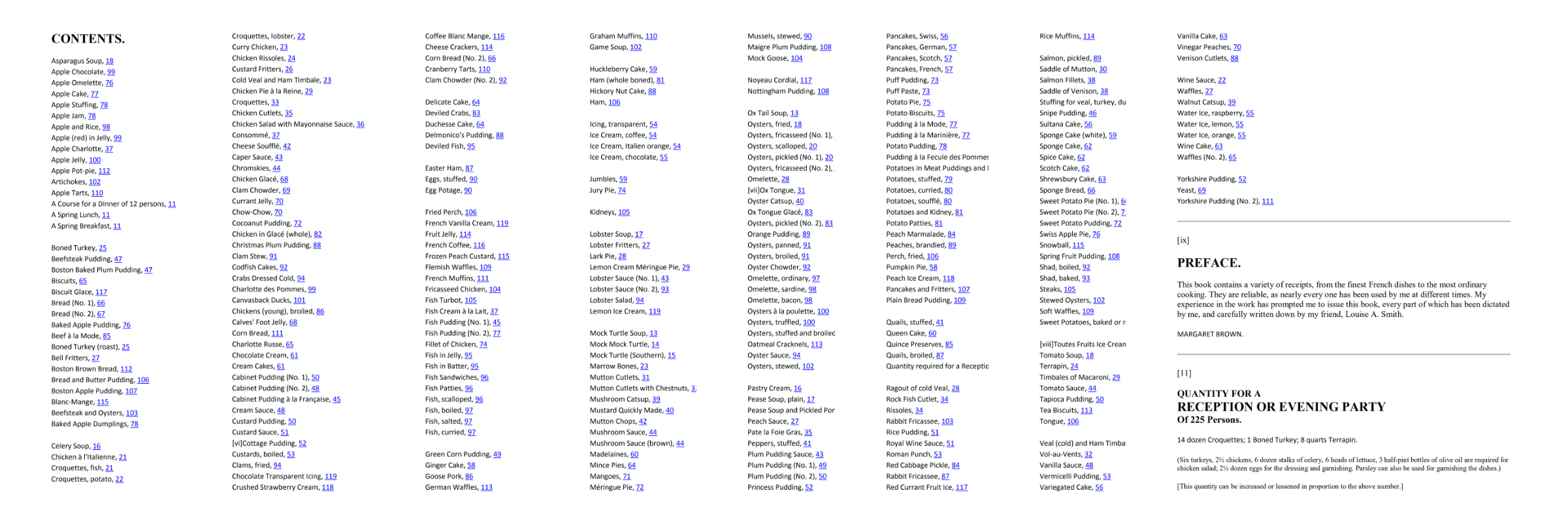
Here is an example of how recipes are written:
Peach Sauce.
Place the peach juice from the can into a small saucepan, add an equal volume of water, a little more sugar and 8 or 10 raisins, boil this 10 minutes, strain, and just before serving add 8 drops of extract of bitter almonds.

All-Access members do not pay for this or any resource. Become an All-Access member today!
________________________
|
Get the MOST from My Teaching Library by connecting with us here: |
Only logged in customers who have purchased this product may leave a review.

This is a downloadable copy of the book. (358 pages)
About the book: Published in 1905, Gettemy writes of Paul Revere’s midnight ride, his arrest, court-martial plus his ‘useful public services’. Paul Revere ( December 21, 1734 – May 10, 1818) was an American silversmith, engraver, early industrialist, and a patriot in the American Revolution. He is most famous for alerting the Colonial militia to the approach of British forces before the battles of Lexington and Concord, as dramatized in Henry Wadsworth Longfellow’s poem, “Paul Revere’s Ride”. Revere was a prosperous and prominent Boston silversmith, who helped organize an intelligence and alarm system to keep watch on the British military. Revere later served as a Massachusetts militia officer, though his service culminated after the Penobscot Expedition, one of the most disastrous campaigns of the American Revolutionary War, for which he was absolved of blame. Following the war, Revere returned to his silversmith trade and used the profits from his expanding business to finance his work in iron casting, bronze bell and cannon casting, and the forging of copper bolts and spikes. Finally in 1800 he became the first American to successfully roll copper into sheets for use as sheathing on naval vessels.

Cross-curricular and engaging, this Amelia Earhart project-based unit will have students using a variety of Language Arts skills as they learn about history!
Includes:

This is a downloadable copy of the book. (190 pages) This book may have ‘for a little girl’ in the title but it is for anyone who wants easy to follow recipes!
About the book: Originally published in 1905, culled from the author’s recipes in Good Housekeeping Magazine.
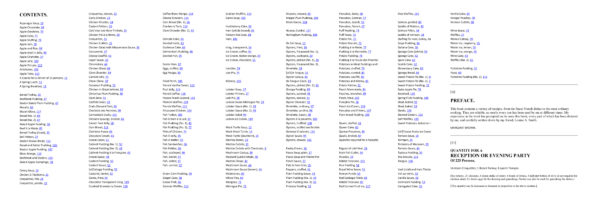
Sections + examples of what is included in each:
– The Things Margaret Made for Breakfast (rice croquettes, poached eggs, birds’ nests, Spanish omelette, corned beef hash)
– The Things She Made for Luncheon or Supper (white or cream sauce, creamed salmon, deviled eggs, shepherd’s pie, orange and grapefruit salad
– The Things She Made for Dinner (cream of potato, tomato soup, creamed cabbage, baked custard, pudding sauces, ice cream)

A ready-to-print and use worksheet that will have students define and label parts of the human ear. Answer key provided.
Great learning tool or quiz!
Parts: cochlea, eardrum, Eustachian tube, external auditory canal, incus, lobule, malleus, pinna, semicircular canals, stapes, vestibular cochlear nerve
You're about to use our sticky note tool to submit website requests to our team. Click the "Accept" button to download a cookie that will authorize you to see and use the tool on this device.
To leave a Sticky note, click the comment button and then click anywhere on the page.
We couldn't activate the sticky note tool. Please reload the page and try again — if it keeps happening, let your site contact know.
To improve your experience, this site uses essential cookies to create a better experience for you.
We use cookies to improve your experience. You will find detailed information about all cookies under each consent category below.
Necessary cookies are required to enable the basic features of this site, such as providing secure log-in or adjusting your consent preferences. These cookies do not store any personally identifiable data.
Analytical cookies are used to understand how visitors interact with the website. These cookies help provide information on metrics such as the number of visitors, bounce rate, traffic source, etc.
Advertisement cookies are used to provide visitors with customised advertisements based on the pages you visited previously and to analyse the effectiveness of the ad campaigns.
Functional cookies help perform certain functionalities like sharing the content of the website on social media platforms, collecting feedback, and other third-party features.


Reviews
There are no reviews yet.