
Category: Language Arts
Showing 581–600 of 610 resultsSorted by latest
-
 $15.00Add to Cart
English 3 is typically used in 11th grade. This curriculum covers:
- Online Technology / Using the Web
- Reading / Knowledge and Understanding
- Writing / Create a Research Report
- Revising and Editing / Polish Your Research Report
- Listening, Viewing, Speaking / Send and Receive the Message
- Literature / The Language of America
Want the Teacher’s edition? Get it here: English 3 Teacher’s Edition
-
$4.00Add to Cart
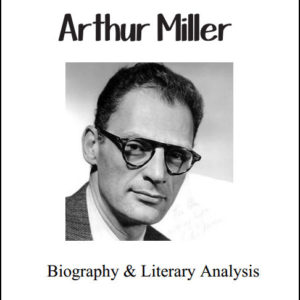
Biography & Literary Analysis – Arthur Miller
517 pages -
$3.50Add to Cart
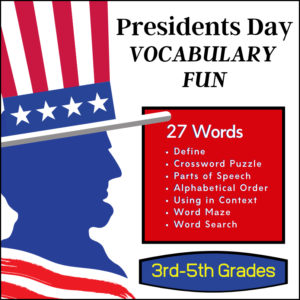
This resource, Presidents Day Vocabulary FUN, includes 27 words appropriate for 3rd-5th graders. Students will be asked to define and use each word as well as completing several fun activity pages for the words. Perfect to use as a cross-curricular unit for both Language Arts and Social Studies / History!
Here is a short sample of some of the included words:
advice, citizen, counsel, dream, earnest, freedom, ideal, reform, patriot, traitActivity pages include:
- – Crossword Puzzle
- – Parts of Speech
- – Word Meanings
- – Alphabetical Order
- – Word Scramble
- – Writing
- – Word Maze
- – Word Search
— Answer Keys Included —
-
$2.00Add to Cart
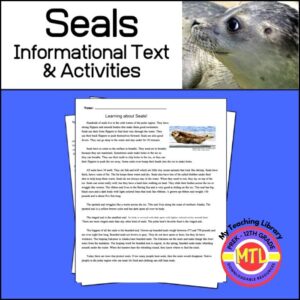
This informational text article is all about seals, where they live, their physical characteristics and about several different types of this cold-water mammal. After reading, students will complete a reading comprehension worksheet and (optional) write a story! Answer key provided.
-
$3.00Add to Cart
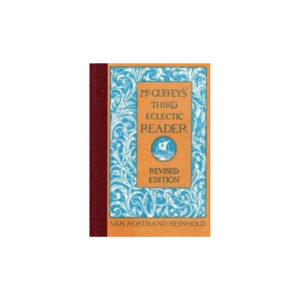
Since 1836, children have been delighted by these volumes filled with exotic adventures, exciting stories, beautiful poems, and funny fables. The Third Eclectic Reader includes “The Boy Who Cried Wolf,” “The Wind and the Sun,” and “We Are Seven.”
-
$2.00Add to Cart
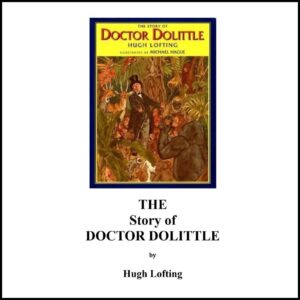
This is a downloadable copy of the book.
About the book: The Story of Doctor Dolittle, (Being the History of His Peculiar Life at Home and Astonishing Adventures in Foreign Parts) (1920), written and illustrated by the British author Hugh Lofting, is the first of his Doctor Dolittle books, a series of children’s novels about a man who learns to talk to animals and becomes their champion around the world. It was one of the novels in the series which was adapted into the film Doctor Dolittle.About the Author: Hugh John Lofting was an English author trained as a civil engineer, who created the classic children’s character of Doctor Dolittle. Dolittle first appeared in Lofting’s illustrated letters to his children, written from the British Army trenches in World War I. He travelled widely as a civil engineer, before enlisting in the Irish Guards regiment of the British Army to serve in the First World War. Not wishing to write to his children about the brutality of the war, he wrote imaginative letters which later became the foundation of the successful Doctor Dolittle novels for children.
-
$2.50Add to Cart
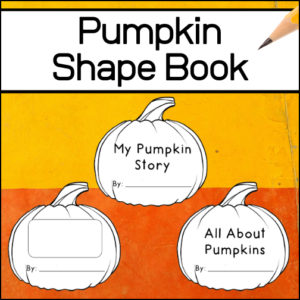
Help students get creative! This resource gives students the templates to make several different types of pumpkin shape books. Students can self-publish stories, poems and reports using this resource. Can be used for multiple subjects.
Includes:
- – 3 Covers (Blank, “My Pumpkin Story”, “All About Pumpkins”)
- – 6 Inside pages (with and without lines and sections to draw pictures)
- – Seed and leaf templates (to add to their books if they wish)
Suggestions for use:
- – Writing Center: Create an October themed story
- – Writing Center: Write an Acrostic poem (PUMPKIN), using one page for each line
- – Writing Center: Write a Haiku poem around Fall or pumpkins
- – Science Center: Create a book about the life cycle of pumpkins
- – Social Studies: Write a report on how different cultures or people groups use pumpkins
-
$2.50Add to Cart
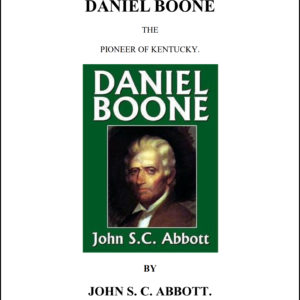
Daniel Boone is regarded as the first real American folk hero. Without his cunning bravery, settlement west of the Appalachians may not have been made possible for years. Boone’s Wilderness Road, which is still used today, helped bridge the Cumberland Gap, granting access to the state of Kentucky from Pennsylvania.
Thanks to the writing of John S. C. Abbot, the life and genius of Boone can truly be appreciated through Daniel Boone: The Pioneer of Kentucky. Find out just how Boone crafted his Wilderness Trail, what he did to make it happen, and how he overcame the struggles of life in late eighteenth century America.
-
$8.00Add to Cart
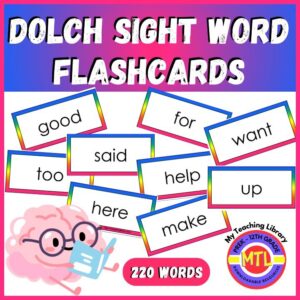
We have now combined all 220 Dolch sight words into one bundle! So, with this purchase, you’ll not only get the 2nd grade Dolch sight words but all 220 words: Pre-Primer, Primer, 1st grade, 2nd grade and 3rd grade.
Dolch Sight Words have been found to be the most frequently used words in reading and writing. They include pronouns, adjectives, adverbs, prepositions, conjunctions and verbs that are difficult to sound out and are best learned by sight and repetition. By learning and practicing these words, children will enhance their reading skills and build confidence while doing so.
-
$4.00Add to Cart
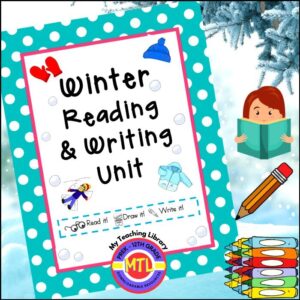
This Winter Reading and Writing resource (with a “Read it! Draw it! Write it!” section) covers a variety of vital Language Arts skills! Perfect to use in December, January, February and into March!
Includes:
- 12 “Read It! Draw It! Write it!” pages (Use individually or combined to complete a book for each student)
- Vocabulary Flashcards
- Compound Word Worksheet
- 3 Syllable Worksheets
- Long Vowel Worksheet
- Short Vowel Worksheet
- 4 Rhyming Worksheets
- 2 additional Writing Worksheets.
Vocabulary Words in this Winter Unit: window, snow, outside, door, pants, sweater, coat, boots, hat, scarf, mittens, five, snowball, snowangel, snowman, sled, hill, roll
“Read it! Draw it! Write it!” pages have been designed to engage students in an active reading. Students can use the symbols to help guide them on each page. On the “Write it!” portions, students are to copy the passage they just read. However, more advanced students may want to add to the story!
-
$1.50Add to Cart
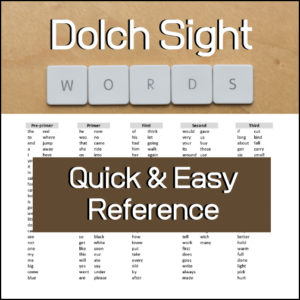
Here is a quick and easy, one page reference which lists all of the Dolch sight words for: Pre-primer, Primer, 1st, 2nd and 3rd grades.
-
$15.00Add to Cart
This 100 vocabulary unit is designed to teach and reinforce 100 important words that every high school student needs to know. Words have been taken from all core subject areas: Language Arts, Science, Social Studies, and Math.
With 20 different engaging puzzles and challenges, it is perfect to fill one complete semester of work. At the end of the unit, you’ll have two different versions of a final test to test students. You can even use one as a study test for students if you choose to do so! Answer Keys included.
-
$3.75Add to Cart
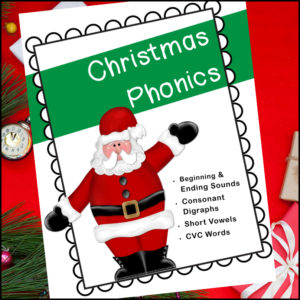
Holiday / Christmas Themes run throughout this download providing students with fun, NO PREP worksheets to practice phonics skills.
— 52 Student pages – A enough for the entire month of December!
Skills include:
- Recognizing beginning and ending sounds
- Recognizing sounds of various consonant digraphs
- Identifying short vowel sounds
- Completing CVC words
** JUST PRINT AND GO **
-
$3.00Add to Cart
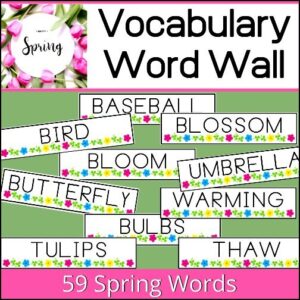
Here are 59 Spring vocabulary word cards to use on a word (vocabulary) wall, place in a writing center or use as flash cards. These words can be a springboard to numerous learning activities!
Ideas on how to use words in this resource:
– Write definitions and sentences using each word.
– Create a short story using as many words as they can.
– Choose 3-5 words and create a fun Haiku poem using the words.
– Create a Spring shape poem using as many words as they can.
– Create their own word search puzzle or crossword puzzle using 10 or more of the words.
– Create a Science based report on Spring using as many words as they can.
– Create a ‘newspaper’ report about Spring using as many words as they can.
…and don’t let the creativity stop there! -
$2.50Add to Cart
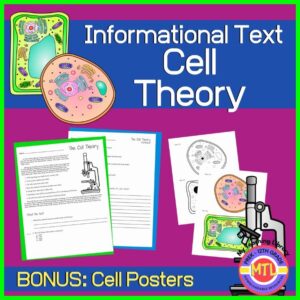
A great introductory lesson on Cell Theory for your Science students. The text will teach students about the contributions of scientists Robert Hooke, Matthias Schleiden, Theodor Schwann and Rudolf Virchow. It lists the 3 basics of Cell Theory as well as the 3 ‘modern’ ideas that have been added to Cell Theory.
This resource includes:
- Informational Text
- Assessment of student understanding (multiple choice and short essay)
- Answer Key
- BONUS: B/W and Color posters of animal and plant cells.
-
$4.00Add to Cart
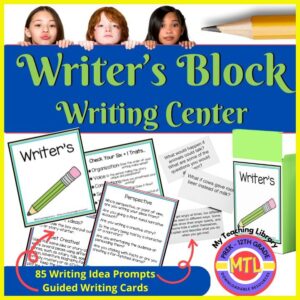
An engaging writing center resource that students will love to use! Materials include:
- Center Title & Instruction ideas
– Check your 6 + 1 traits
– Instructions
– Perspective questions - 86 writing prompt cards (best suited for 3rd-6th grades)
- Center Title & Instruction ideas
-
$2.50Add to Cart
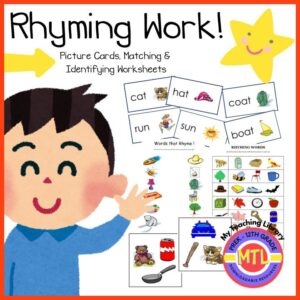
This resource teaches 30 rhyming words through picture flashcards and 8 easy matching worksheets.
Teaching rhyming words aids in teaching early literacy skills like phonemic awareness and fluency development. When children learn to rhyme, it helps them develop the ability to break words down into smaller parts like puzzle pieces.
-
$2.00Add to Cart
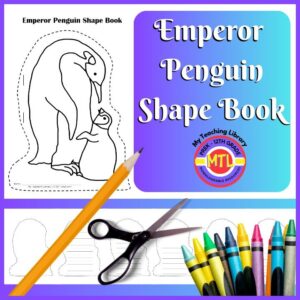
Studying penguins or perhaps animals of the arctic? Here is a ready-to-use resource for students to publish stories, reports or poems about penguins.
You’ll find pages with both dotted-dashed lines as well as single lines so that you can use what best fits the level of your students.
-
$3.00Add to Cart
This is a downloadable copy of the book.
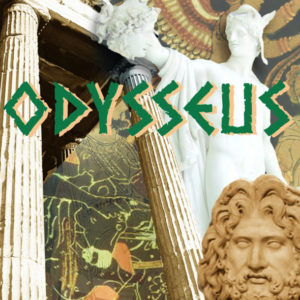
About the book: The Odyssey focuses on the ten-year journey home of Odysseus, king of Ithaca, after the fall of Troy. Many accounts of Homer’s life circulated in classical antiquity, the most widespread being that he was a blind bard from Ionia, a region of central coastal Anatolia in present-day Turkey. Modern scholars consider these accounts legendary.
About the Author: Homer is the legendary author of the Iliad and the Odyssey, two epic poems that are the central works of ancient Greek literature.
-
$3.25Add to Cart
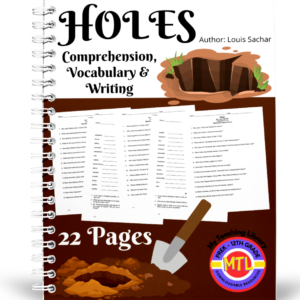
This book unit (Holes by Lousi Sachar) provides reading comprehension questions, vocabulary work and discussion questions in which students will be tasked with writing their answers.
There are 22 pages and split into groups of chapters for ease of assignment/use:
- Chapters 1-5
- Chapters 6-10
- Chapters 11-16
- Chapters 17-22
- Chapters 23-28
- Chapters 29-33
- Chapters 34-39
- Chapters 40-45
- Chapters 46-50
Also included: Extended activity ideas and answer keys
About the book:
Holes is a 1998 novel written by Louis Sachar. It won the 1998 U.S. National Book Award for Young People’s Literature and the 1999 Newbery Medal for the year’s “most distinguished contribution to American literature for children”. The story centers on an unlucky teenage boy named Stanley Yelnats, who is sent to Camp Green Lake, a juvenile corrections facility in a desert in Texas, after being falsely accused of theft. The plot explores the history of the area and how the actions of several characters in the past have affected Stanley’s life in the present. These interconnecting stories touch on themes such as racism, homelessness, illiteracy, and arranged marriage.Interest level:
Grades 4 – 8Reading level:
Grades 3 – 8