
Category: Mammalogy: Mammals
Showing 21–31 of 31 resultsSorted by latest
-
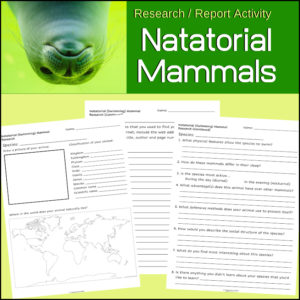
Natatorial Mammals | Swimming Animals | Science Research and Report Activity to Pinterest (opens in a new window)
 $2.50Add to Cart
Any mammal designed to swim such as a whale, sea lion, seal or walrus is considered a natatorial mammal. The term natatorial comes from the Latin natātor, natātōrem meaning “swimmer”. This product is perfect for your students if you want to assign a research & report project on water dwelling mammals. It will guide students through their research and can be used as the end reporting tool!
-
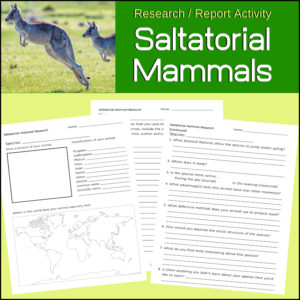
Saltatorial Mammals | Jumping or Leaping | Science Research and Report Activity to Pinterest (opens in a new window)$2.50Add to CartOne way of categorizing animals is how they move. Mammals that are designed to jump, hop, gallop, or leap are called Saltatorial mammals such as the kangaroo, leopard, rabbit, horse, antelope and many others! This product is perfect to use as a research and report assignment to have students study mammals that jump, hop, gallop and/or leap! It will guide students through their research and can be used as the end reporting tool!
-
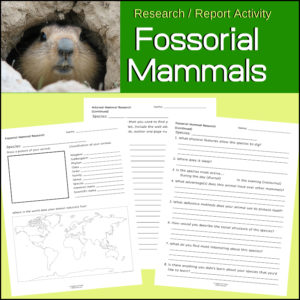
Fossorial Mammals | Ground Dwelling | Science Research and Report Activity to Pinterest (opens in a new window)$2.50Add to Cart
Burrowing, ground dwelling mammals are known as fossorial mammals. Fossorial comes from the Latin fossor, meaning “digger”, thus mammals such as groundhogs, gophers, moles, rabbits and others are in this group. This resource will help students research and report on fossorial mammals as it guides students through their research and can be used as the end reporting tool!
-
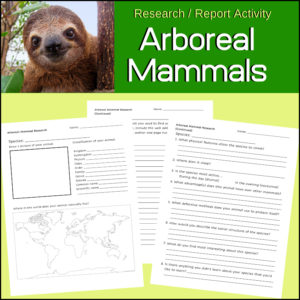
Arboreal Mammals | Tree Dwelling Animals | Science Research and Report Activity to Pinterest (opens in a new window)$2.50Add to Cart
During a study of animals (specifically tree-dwelling, arboreal mammals), students can use this product to research and report on animals such as the koala, monkey, sloth or possum. Any tree dwelling mammal is considered arboreal. Students can use this product as both a guide to their research as well as the end reporting tool!
-
$2.50Add to Cart
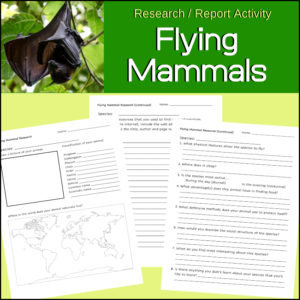
In the Science field of Zoology there is a group of mammals that are considered ‘flying’ mammals. This product makes it easy to assign students to research and report on one of these ‘flying’ mammals! Students will be able to use the product to both guide their research and use as their reporting tool.
-
$1.50Add to Cart
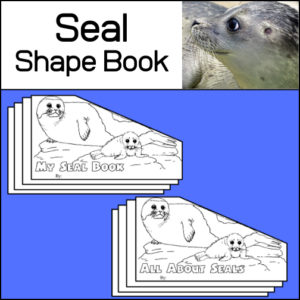
Seals are found along most coasts and cold waters, but a majority of them live in the Arctic and Antarctic waters. Harbor, ringed, ribbon, spotted and bearded seals, as well as northern fur seals and Steller sea lions live in the Arctic region. Whether you are studying these wonderful animals or just want to add a quick side lesson, here is a Seal Shape Book that students can use to self-publish their created stories, reports and poems! Templates have differing line heights to accommodate a variety of grade levels.
-
$3.00Add to Cart
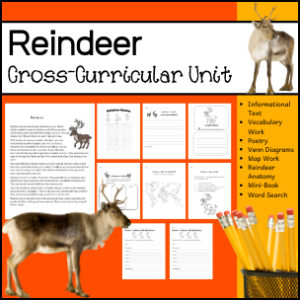
Engaging, cross-curricular unit all about reindeer!
Includes:
- – Informational Text and worksheet (true/false)
- – Vocabulary work
- – Acrostic poetry
- – Venn diagrams
- – Map work
- – Reindeer anatomy
- – Mini-Book creation
- – Word Search
- – Informational Text and worksheet (true/false)
-
$3.00Add to Cart
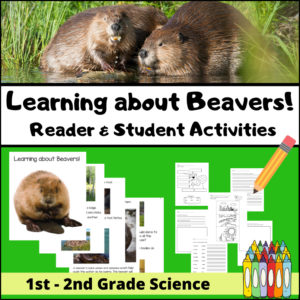
This 1st – 2nd Grade cross-curricular resource (Science, Language Arts, Art) is all about beavers and includes a READER and corresponding STUDENT ACTIVITIES! Students will learn about the beaver’s habitat, diet and how their own bodies help them survive! The reader is provided in both color and b/w.
-
$4.50Add to Cart
Studying marine animals? Whales? If so, your students will love the student-centered, hands-on, cross-curricular project where they’ll learn all about whales while creating a lapbook or an interactive notebook.
This can be used as a stand-alone unit that includes all of the informational materials, maps, illustrations and templates needed to create a beautiful project. However, a booklist is given if further research and reading is desired.
Includes:
– Instructions and lapbook/notebooking visuals
– Supply list
– Required elements checklist (optional for teacher assigned elements)
– Grading rubric and grading sheet
– Informational text covering: General and fun information about whales in general and more specific information on 8 species (orca, sperm whale, blue whale, beluga whale, humpback whale, gray whale, bowhead whale and narwhal), taxonomy, description of the 2 types of whales (baleen and toothed), migration, diet, communication, life cycle, predators, swimming displays, vocabulary
– Book suggestions for additional reading
– Illustration of anatomy: Baleen and toothed (labeled)
– Maps (Where in the World) for the orca, sperm whale, blue whale, beluga whale, humpback whale, gray whale, bowhead whale and narwhal
– 16 pages of templates that can be used to either create a lapbook or use in an interactive notebook -
$8.00Add to Cart
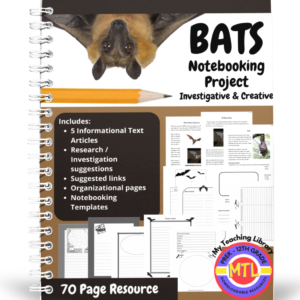
Studying bats? Here is a resource that will allow students to create a beautiful project that will show off what they’ve learned. This 70 page project unit can be used as a fully contained project resource (with no needed outside information required) or can be a launch for a full-blown research project using additional resources and includes:
- – Explanation page about creating a notebooking project
- – Suggested supply list
- – Evaluation rubric
- – Assignment page
- – Table of contents pages
- – Vocabulary & Reference pages
- – List of bat related vocabulary
- – Suggested links (optional)
- – Research / Notebooking questions/investigation suggestion handouts
- – 5 Informational text articles
- – Project KWL
- – Notebooking template pages
- – Bat pictures
-
$2.00Add to Cart
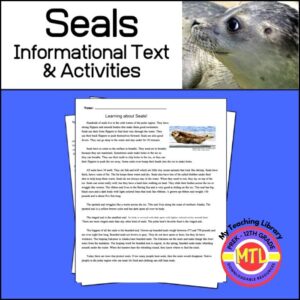
This informational text article is all about seals, where they live, their physical characteristics and about several different types of this cold-water mammal. After reading, students will complete a reading comprehension worksheet and (optional) write a story! Answer key provided.