
Category: By Grade
Showing 101–120 of 280 resultsSorted by latest
-
 $1.75Add to Cart
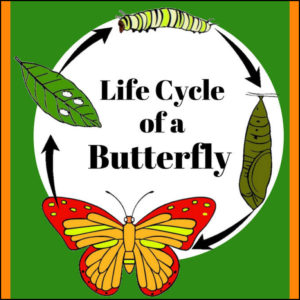
This Science resource will teach students the Life Cycle of a Butterfly and includes:
- * 2 color posters of the life cycle (1 with added details)
- * 1 b/w poster (for students to color),
- * 4 picture/information cards for each stage of the life cycle
- * 3 life cycle worksheets
-
$2.00Add to Cart
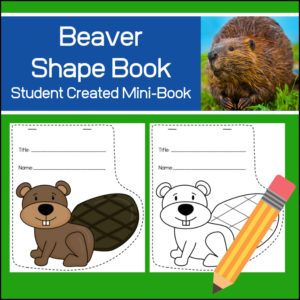
Studying Beavers? Students will love to self-publish their own work in this cute Beaver shape book! Not only can they write creative stories or poems, but you can also have them use these templates to convey what they’ve learned (comprehension) from a book or from their own research! Template size: 7.5″ tall x 7″ wide.
Includes:
- 6 possible covers
- 13 different inside pages
I’ve created pages with both dotted-dashed lines as well as single lines so that you can use what best fits the level of your students.
-
$6.99Add to Cart
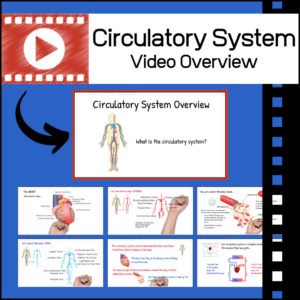
This 6:44 minute video product has been created to give BIOLOGY / ANATOMY / HEALTH students an overview of the human body’s circulatory system! Student will learn the major components of the system (names of major arteries and veins as well as parts of the exterior and interior of the heart) as well as the function of the heart, arteries, veins, red blood cells, white blood cells, platelets and plasma.
-
$3.00Add to Cart
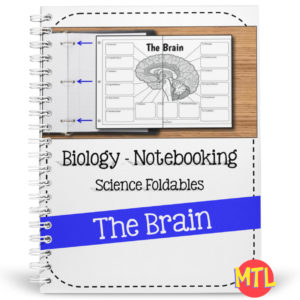
High School Biology Notebook resource!
Students will learn all of the major parts of the brain including ventricles, cingulate gyrus, thalamus, hypothalamus, optic chiasm, pituitary gland, midbrain, pons, medulla oblongata, meninges, cerebral cortex, cerebrum, corpus callosum, pineal gland, cerebellum, occipital lobe, parietal lobe, temporal lobe, frontal lobe
-
$1.50Add to Cart
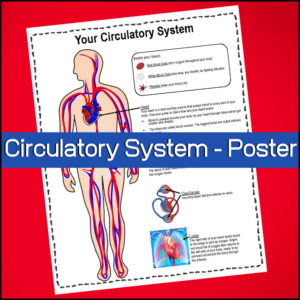
Here is a classroom poster describing the basics of the human body’s circulatory system. Perfect for a Science or Health bulletin board.
The poster outlines basic functions for the following:
- heart
- arteries
- veins
- capillaries
- lungs
- red blood cells
- white blood cells
- platelets
-
$4.00Add to Cart
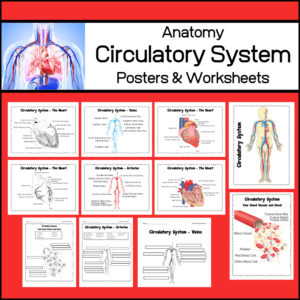
This Science / Biology / Health resource will help your students learn about the circulatory system of the human body! Included are 10 posters (each in color and b/w) and 5 different worksheets (each with and without a word bank)!
-
$2.50Add to Cart
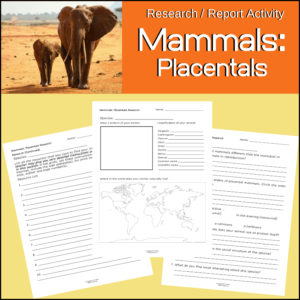
Placental mammals are the most diverse group of mammals with about 4000 discovered species and include dogs, cats, rodents, elephants, whales, cattle, pigs, humans and many more! If you are planning a study on these mammals, this product will guide students through their research and can be used as the end reporting tool!
-
$2.50Add to Cart
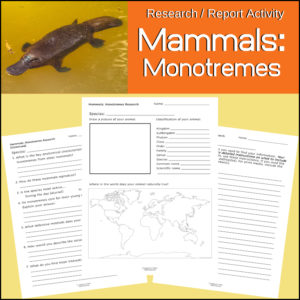
This science, animal study activity is designed to guide your students through the researching and reporting of any egg laying mammal (also known as Monotremes). These unusual mammals only reside in Australia and New Guinea. There are only five known species of monotremes: the platypus and four species of echidna.
This product will guide students through their research and can be used as the end reporting tool!
-
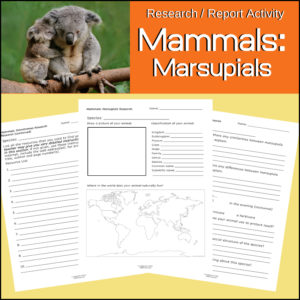
Mammals Research and Report Activity | Marsupials | Pouch Carriers to Pinterest (opens in a new window)$2.50Add to Cart
Students love kangaroos, wallabies, koalas and other pouch carrying animals also known as marsupials! This resource will guide students through their research on these amazing pouch carrying animals and can be used as the end reporting tool!
-
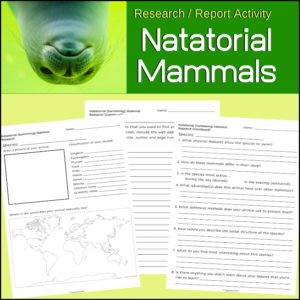
Natatorial Mammals | Swimming Animals | Science Research and Report Activity to Pinterest (opens in a new window)$2.50Add to Cart
Any mammal designed to swim such as a whale, sea lion, seal or walrus is considered a natatorial mammal. The term natatorial comes from the Latin natātor, natātōrem meaning “swimmer”. This product is perfect for your students if you want to assign a research & report project on water dwelling mammals. It will guide students through their research and can be used as the end reporting tool!
-
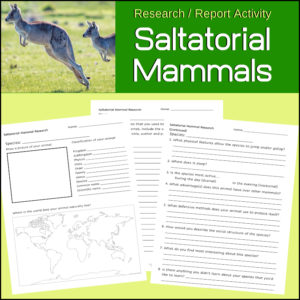
Saltatorial Mammals | Jumping or Leaping | Science Research and Report Activity to Pinterest (opens in a new window)$2.50Add to CartOne way of categorizing animals is how they move. Mammals that are designed to jump, hop, gallop, or leap are called Saltatorial mammals such as the kangaroo, leopard, rabbit, horse, antelope and many others! This product is perfect to use as a research and report assignment to have students study mammals that jump, hop, gallop and/or leap! It will guide students through their research and can be used as the end reporting tool!
-
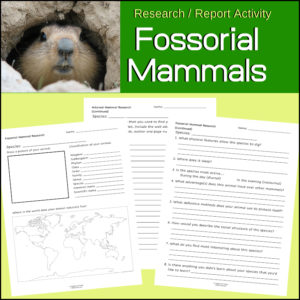
Fossorial Mammals | Ground Dwelling | Science Research and Report Activity to Pinterest (opens in a new window)$2.50Add to Cart
Burrowing, ground dwelling mammals are known as fossorial mammals. Fossorial comes from the Latin fossor, meaning “digger”, thus mammals such as groundhogs, gophers, moles, rabbits and others are in this group. This resource will help students research and report on fossorial mammals as it guides students through their research and can be used as the end reporting tool!
-
Arboreal Mammals | Tree Dwelling Animals | Science Research and Report Activity to Pinterest (opens in a new window)$2.50Add to Cart
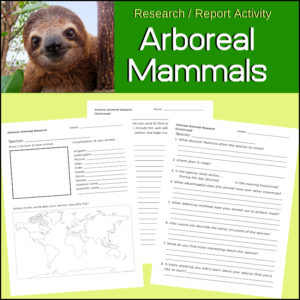
During a study of animals (specifically tree-dwelling, arboreal mammals), students can use this product to research and report on animals such as the koala, monkey, sloth or possum. Any tree dwelling mammal is considered arboreal. Students can use this product as both a guide to their research as well as the end reporting tool!
-
$2.50Add to Cart
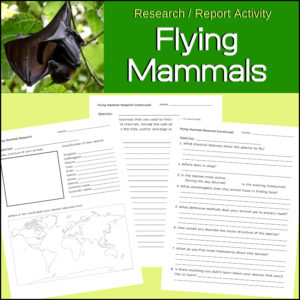
In the Science field of Zoology there is a group of mammals that are considered ‘flying’ mammals. This product makes it easy to assign students to research and report on one of these ‘flying’ mammals! Students will be able to use the product to both guide their research and use as their reporting tool.
-
$1.25Add to Cart
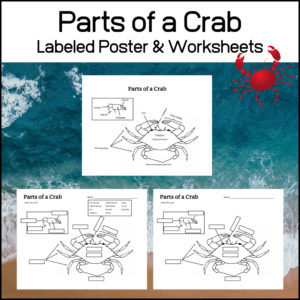
Is your Science class studying (or preparing to study) ocean life, crustaceans or the phylum Arthropoda? This resource, Parts of a Crab – Poster & Worksheets, includes a labeled poster of a crab and 2 worksheets (or quizzes).
-
$3.50Add to Cart
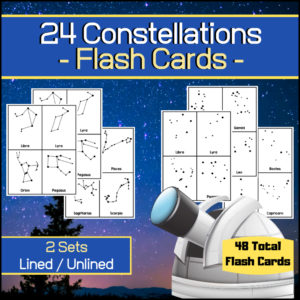
⭐This Astronomy / Science resource, Constellation Flashcards, contains 2 sets of 24 constellations found in the winter northern hemisphere sky.
- Set one has lines that show the stars connected to create the constellation.
- Set two shows only the stars of the constellation (no lines). You can use set two to have students learn the ‘grouping of the stars’ as they actually see them in the sky -or- you can allow students to actually draw the lines on each card to help learn the constellations.
-
$6.00Add to Cart
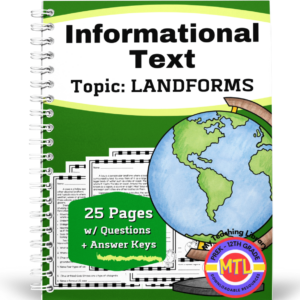
Whether you are simply looking for informational text resources or you are studying landforms, if your teaching grades 5th-8th, this resource is perfect! The resource includes 25 reading pages with questions about a given landform. Questions include both short answer and true/false.
Flesch-Kincaid levels range from 5.5 – 8.3
These are short reading passages with 5 – 7 questions after each.
-
$2.50Add to Cart
Experiments in this book involve Magnets, Air, Electricity,Water, Sound, Sight, Machines, Heat, Chemistry and Plants.The many illustrations are self-explanatory– a great book for budding scientists and teachers.
-
$5.00Add to Cart
Complete Solar System Science – Math Unit designed to help middle school students understand and compare the sizes of the parts of our solar system and how they compare. This unit will take at least 2 weeks to complete.
Included: Teacher’s Guide, Student Workbook, Answer Keys