


Only logged in customers who have purchased this product may leave a review.
Products
Animal Flashcards
$2.50
42 colorful animal flashcards
Suggested uses:
- – to learn animal names
- – to learn classification (ex: sort by habitat, number of legs, mode of transport such as flying, running or swimming, etc)
Related products
-
 $2.50Add to Cart
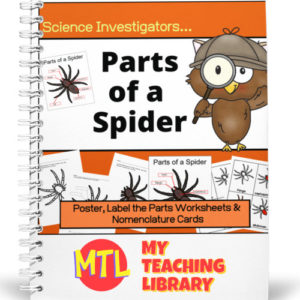
Help students learn the parts of a spider with this fun arachnid resource! Students will learn the following parts: eyes, fangs, cephalothorax, abdomen, spinnerets, legs.
Includes:
- – Color poster
- – 2 Worksheets – One for students to write and label, the other to cut and paste.
- – 1 Science Center activity
- – Nomenclature flashcards – Labeled
- – Blank Cards for students to complete
-
$2.00Add to Cart
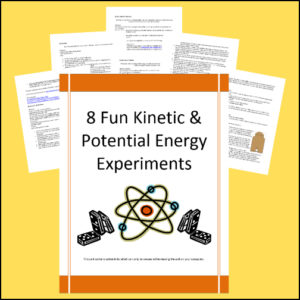
Kinetic energy is energy possessed by an object due to its motion or movement. Potential energy is the stored energy of position possessed by an object. Here are eight experiments for students to perform which display chemical energy! Experiments include:
1. Rube Goldberg Machines
2. Homemade Marble Run
3. Bucket Spin
4. Salad Spinner Art
5. Rubber Band Vehicles
6. Rubber Band Car
7. Flywheel Battery
8. Pendulum of Peril -
$1.00Add to Cart
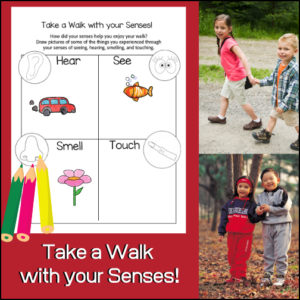
This worksheet has been designed for students to complete after taking a walk! While they walk, remind them of their senses (specifically hearing, seeing, smelling and touching). Once the walk is over, students will complete this worksheet by drawing pictures of what they experienced through those four senses.
-
$3.00Add to Cart
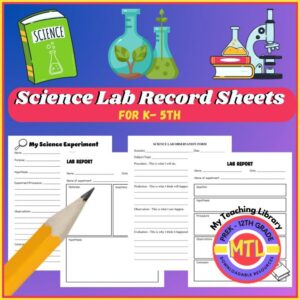
Science Experiment Lab Record Worksheets will give your students the ability to organize their activities, observations and conclusions for any experiment!
There are 3 different worksheets from which to choose:
#1: “Science Labe Observation Form” – 1 page
– Students will name themselves as the ‘scientist’ and will be given sections to name the subject/topic, give details for the procedure (what they will do), their prediction (what they think will happen, their observations (what they saw) and an evaluation (why they think the result happened and what was learned).#2: “Lab Report” – 2 pages
– First page (completed prior to the experiment): Students will name the experiment, list materials, questions they have and their hypothesis.
– Second page (completed after the experiment): Students will name the specific question they are testing, restate their hypothesis, detail the procedure and observations and then write their conclusions.#3: “My Science Experiment” – 1 page
– Students will state the purpose of the experiment, their hypothesis, detail the procedure, give their observations and write their conclusions.
Reviews
There are no reviews yet.