
Only logged in customers who have purchased this product may leave a review.
Products
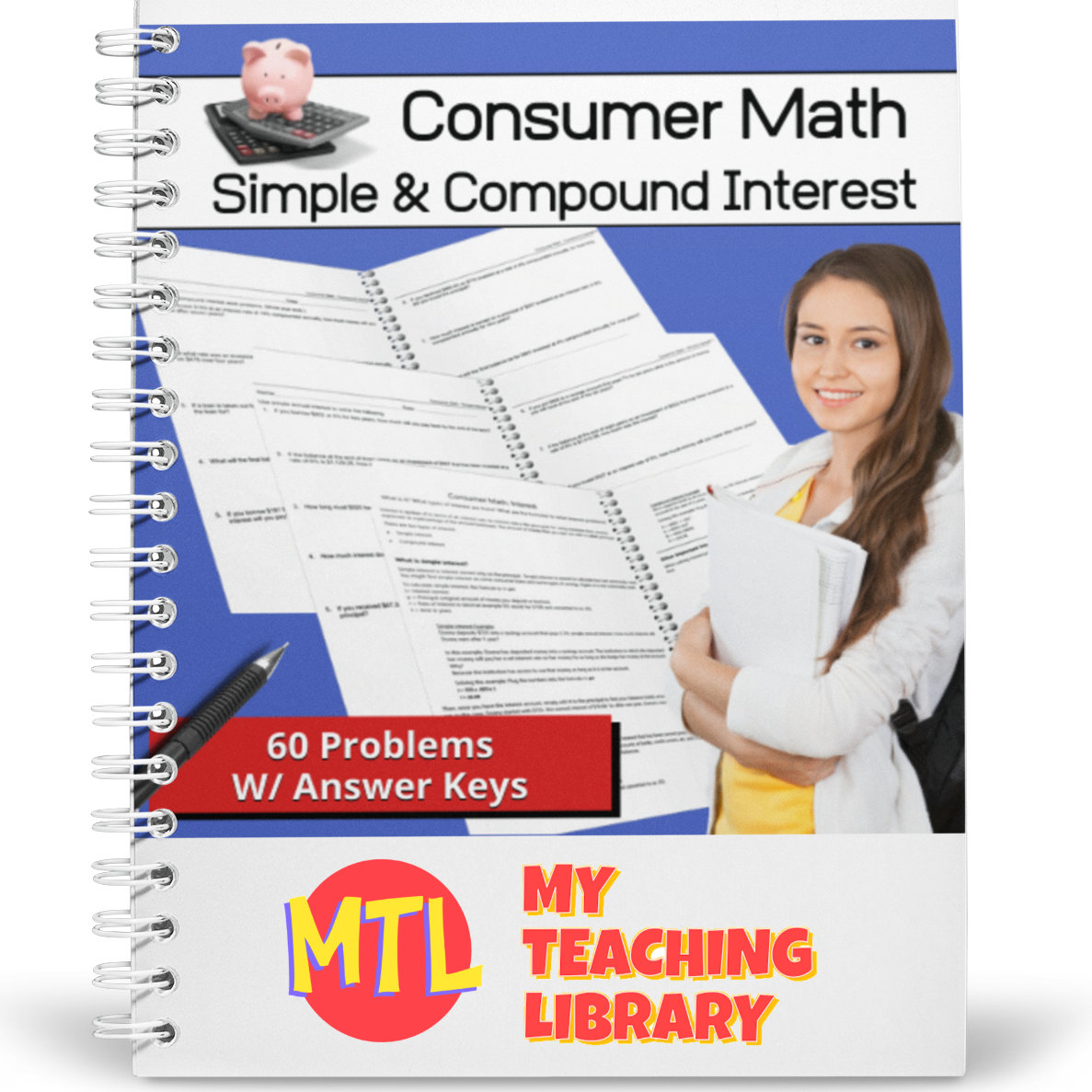
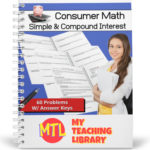
Consumer Math | Simple and Compound Interest Word Problems
$4.00
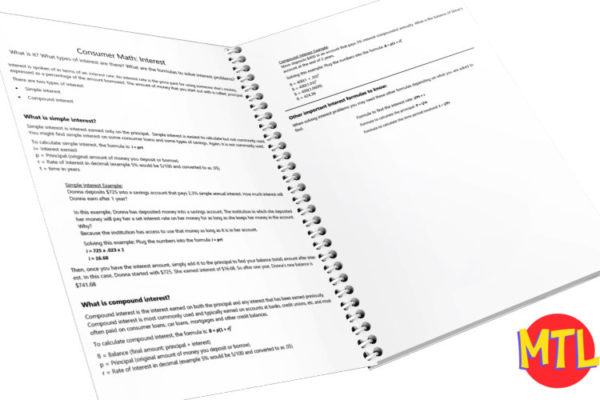
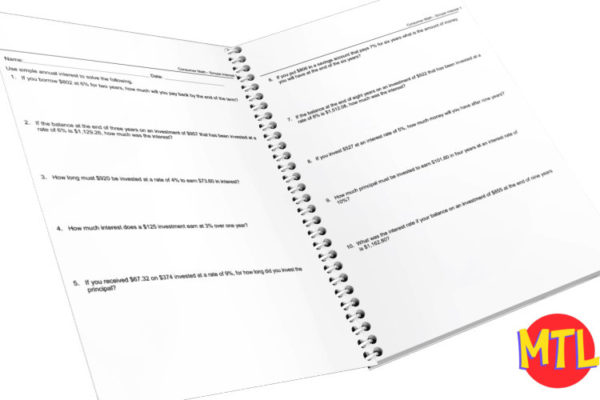
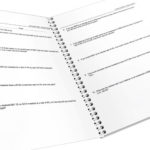
This consumer math resource has been designed to help teach students and give them the practice they need to master the concepts taught.
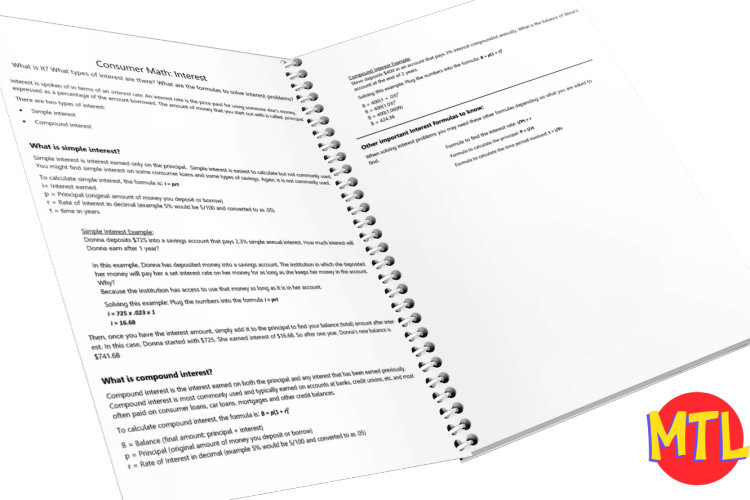
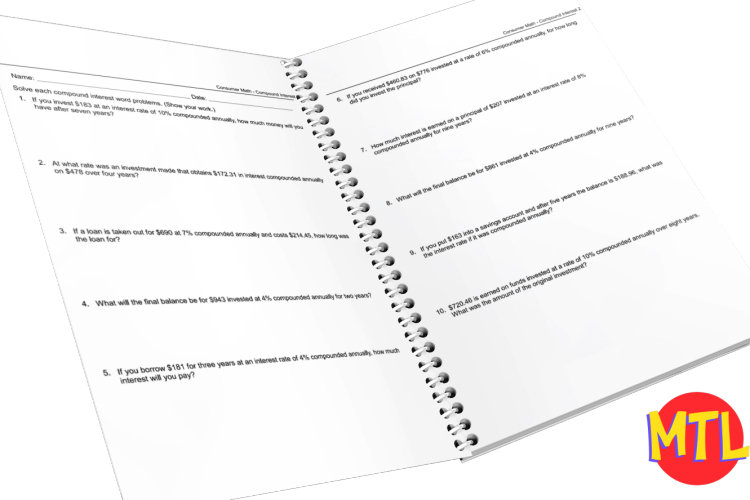
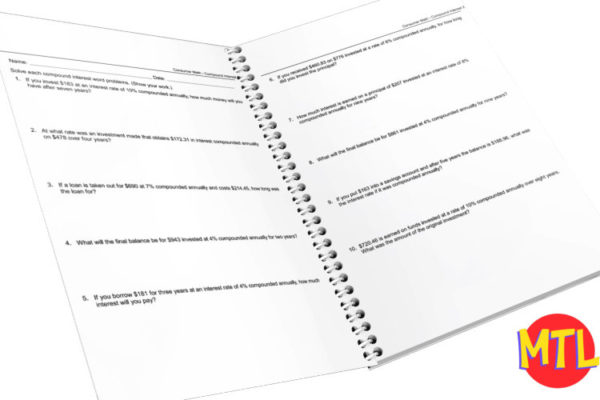
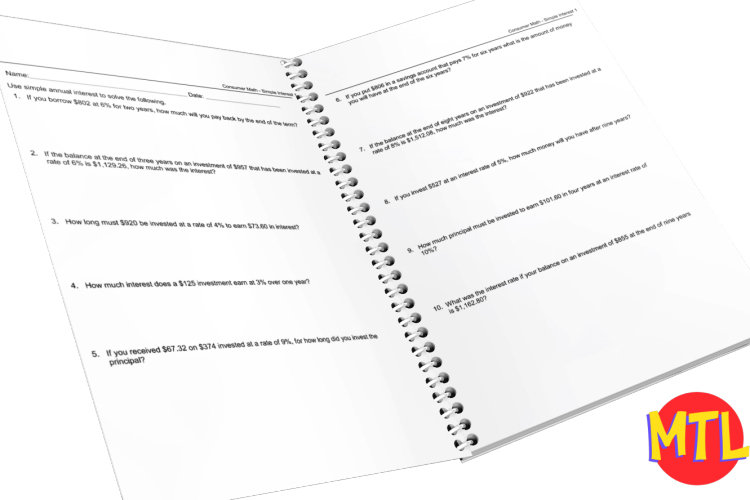
The first two pages will explain interest (simple and compound) and give students the formulas they will need to solve the word problems. There are 60 word problems in all. 3 sets of 10 simple interest problems and 3 sets of 10 compound interest problems. Answer keys are provided.
Related products
-
 $9.99Add to Cart
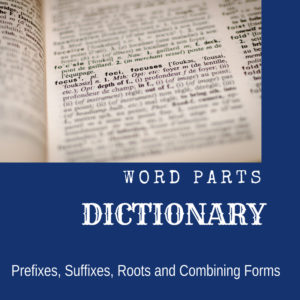
This resource is a dictionary based on ‘word parts’ (prefixes, suffixes, combining forms and roots) which all form words. It is meant to be used in conjunction with a standard dictionary and a thesaurus. Why use? Learning the individual ‘parts’ of a word and the meaning behind each will help the student decipher the meaning of an unknown word or words.
-
$9.99Add to Cart
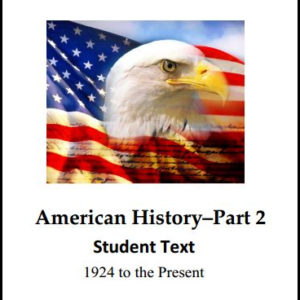
American History – Part 2 for High School (Student Textbook)
Units:
- Causes of WW2
- WW2
- Life in America during WW2
- Cold War Conflicts (1945-1960)
- Postwar America (1952-1060)
- The New Frontier (1960-1963)
- The Stormy Sixties
- America in Turmoil (1968-1976)
- America Seeks Answers (1976-1980)
- The Republican Years (1980-1992)
- The Clinton Years (1992-2000)
- The New Millennuim


Reviews
There are no reviews yet.