
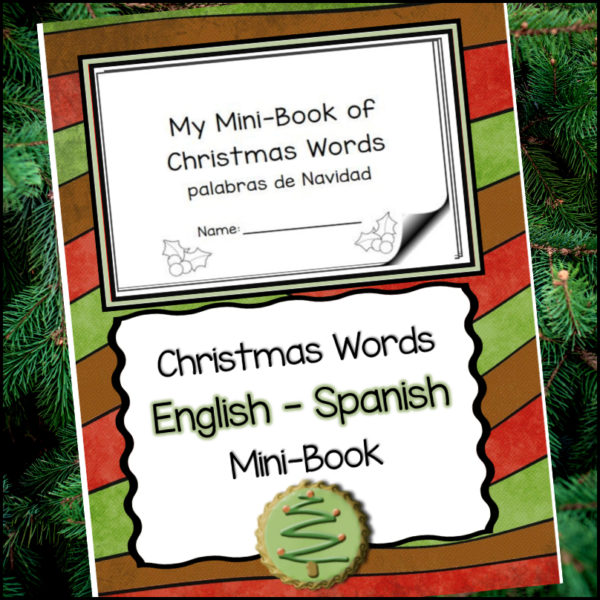
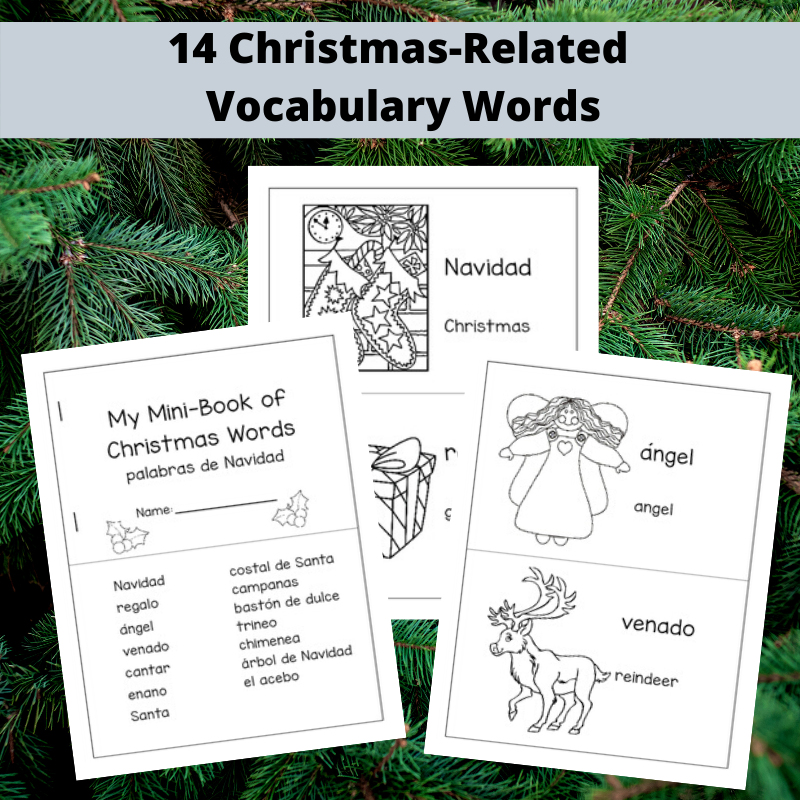

Description
All-Access members do not pay for this or any resource. Become an All-Access member today!
 ________________________
|
Get the MOST from My Teaching Library by connecting with us here:
|

$3.00
All-Access members do not pay for this or any resource. Become an All-Access member today!
________________________
|
Get the MOST from My Teaching Library by connecting with us here:
|
Only logged in customers who have purchased this product may leave a review.
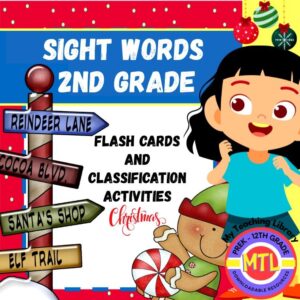
2nd grade flashcards and classification/sorting activities – Designed for students needing to learn and/or practice reading 2nd grade sight words. In addition to learning to read these words, students will be actively engaged in a variety of classification activities as they sort the words based on syllabication, vowel sounds and parts of speech.
Included:
– 2 sets of flash cards:
— Set 1: Students will trace each word to create their set to of cards that they can use to practice reading the words.
— Set 2: A ready-to-use set to use in whatever way(s) you decide! Use for practice, assessment or within a classification / sorting activity!
– Classification posters: (1 syllable, 2 syllables, 3 syllables, long vowel, short vowel, noun, verb, adjective, adverb, preposition)
— Create an interactive bulletin board – Display posters (based on the classification you wish students to complete: syllabication, vowel sound or parts of speech) and give students the flash cards. Include on the bulletin board a pocket under each poster that you display. This can be a baggie or a folder pocket that you create. Students will place each card in the ‘correct’ pocket.
— Create a center – Affix the posters (based on the classification you wish students to complete: syllabication, vowel sound or parts of speech) on the front of folders or create ‘boxes’ with a poster on each box. Give students the flash cards and have them sort them into the folder or box!
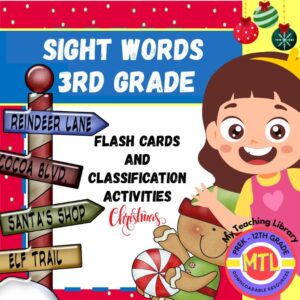
3rd grade flashcards and classification/sorting activities – Designed for students needing to learn and/or practice reading 3rd grade sight words. In addition to learning to read these words, students will be actively engaged in a variety of classification activities as they sort the words based on syllabication, vowel sounds and parts of speech.
Included:
– 2 sets of flash cards:
— Set 1: Students will trace each word to create their set to of cards that they can use to practice reading the words.
— Set 2: A ready-to-use set to use in whatever way(s) you decide! Use for practice, assessment or within a classification / sorting activity!
– Classification posters: (1 syllable, 2 syllables, 3 syllables, long vowel, short vowel, noun, verb, adjective, adverb, preposition)
— Create an interactive bulletin board – Display posters (based on the classification you wish students to complete: syllabication, vowel sound or parts of speech) and give students the flash cards. Include on the bulletin board a pocket under each poster that you display. This can be a baggie or a folder pocket that you create. Students will place each card in the ‘correct’ pocket.
— Create a center – Affix the posters (based on the classification you wish students to complete: syllabication, vowel sound or parts of speech) on the front of folders or create ‘boxes’ with a poster on each box. Give students the flash cards and have them sort them into the folder or box!
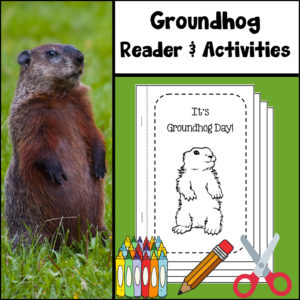
Students will create their own 11 page reader using this fun resource and you’ll be assigning a fun, engaging activity! Use on Groundhog Day or any time you’d like to teach about the festivities surrounding a woodchuck named Punxsutawney Phil. This resource includes vocabulary in the reader and 3 worksheets that go along with the reader. Worksheets will assess student comprehension and asks students to make predictions. There is also a group prediction worksheet.
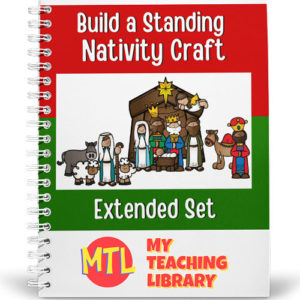
FUN, craft for December as Christmas approaches! This Build a Nativity resource is my extended set and has templates for the manger, Mary, Joseph, baby Jesus, a shepherd, 3 wise men, an angel, sheep, camel, donkey and a star. Templates come in both color AND black and white.
Perfect for home, in a Christian classroom or in a Sunday School class!


Reviews
There are no reviews yet.