

Description
All-Access members do not pay for this or any resource. Become an All-Access member today!
________________________
|
Get the MOST from My Teaching Library by connecting with us here: |

$2.75
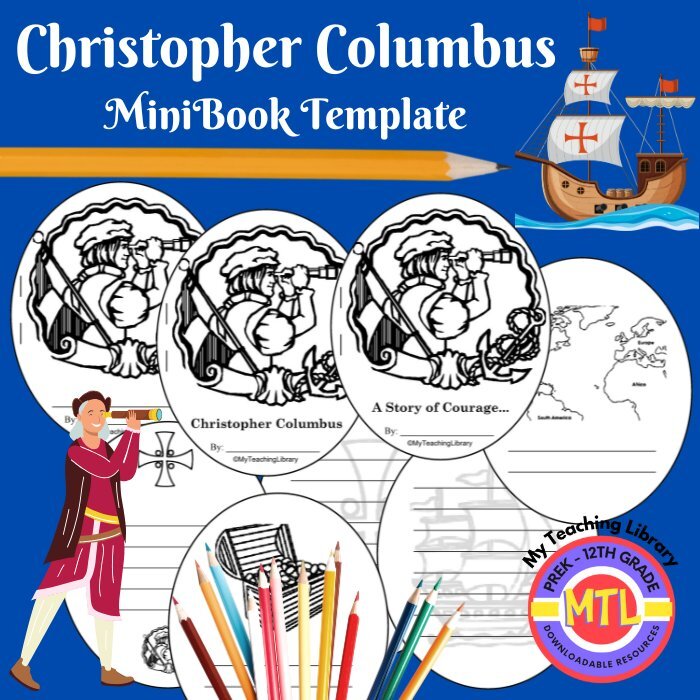
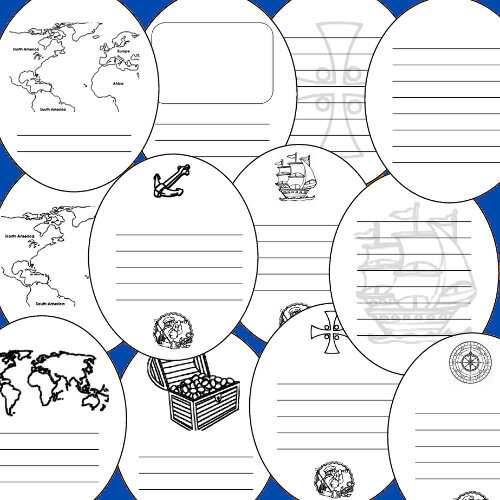
Students will enjoy creating their own Christopher Columbus mini-book with this resource! After learning about Columbus (through their own curriculum, reading, watching a video or research), they can use these pages to create a story, report or poem about Columbus.
Includes:
All-Access members do not pay for this or any resource. Become an All-Access member today!
________________________
|
Get the MOST from My Teaching Library by connecting with us here: |
Only logged in customers who have purchased this product may leave a review.
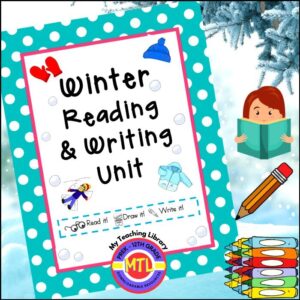
This Winter Reading and Writing resource (with a “Read it! Draw it! Write it!” section) covers a variety of vital Language Arts skills! Perfect to use in December, January, February and into March!
Includes:
Vocabulary Words in this Winter Unit: window, snow, outside, door, pants, sweater, coat, boots, hat, scarf, mittens, five, snowball, snowangel, snowman, sled, hill, roll
“Read it! Draw it! Write it!” pages have been designed to engage students in an active reading. Students can use the symbols to help guide them on each page. On the “Write it!” portions, students are to copy the passage they just read. However, more advanced students may want to add to the story!
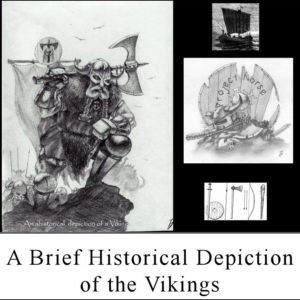
This is a free resource for informational use as students are learning about the Vikings.
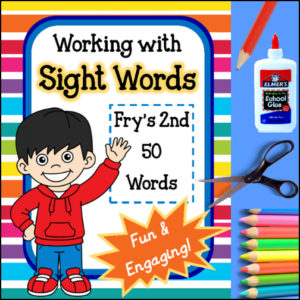
This workbook includes 50 fun and engaging pages (a page for each of the 2nd 50 Fry sight words)… Students will learn sight words by tracing, coloring, and writing the words as well as identifying and build each word (cutting & pasting)!
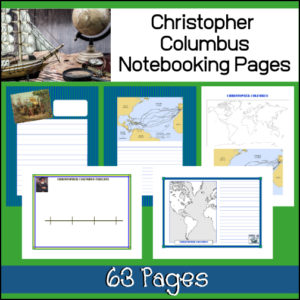
This resource has been designed to give students the materials necessary to create a lasting project designed around their learning and knowledge of Christopher Columbus. Notebooking projects can be teacher directed or student directed, (see description for more about ‘notebooking‘).
Included:


Reviews
There are no reviews yet.