
Only logged in customers who have purchased this product may leave a review.
Products
Compare and Contrast
$3.50
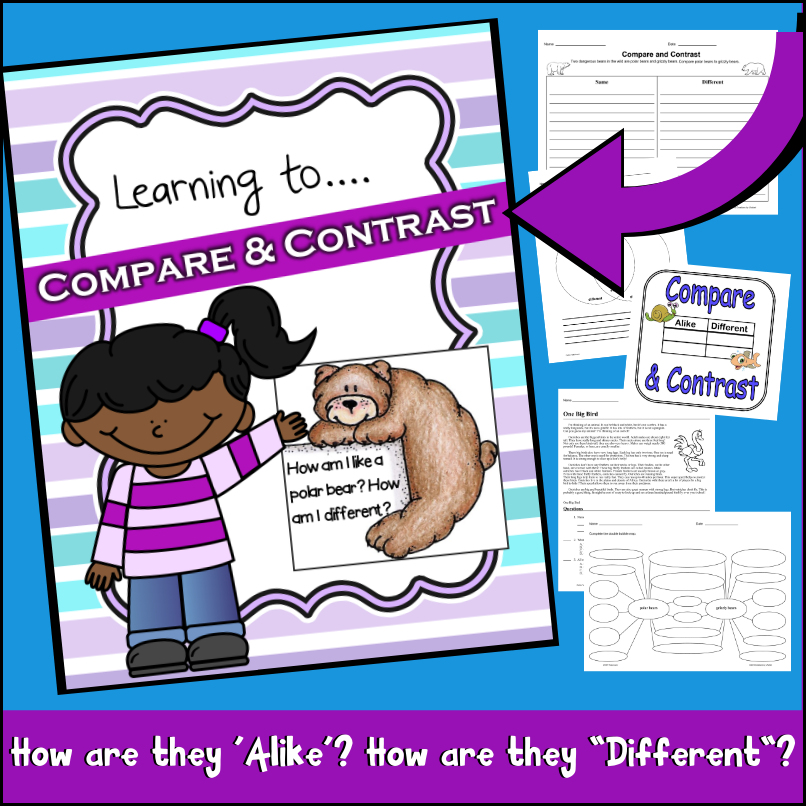
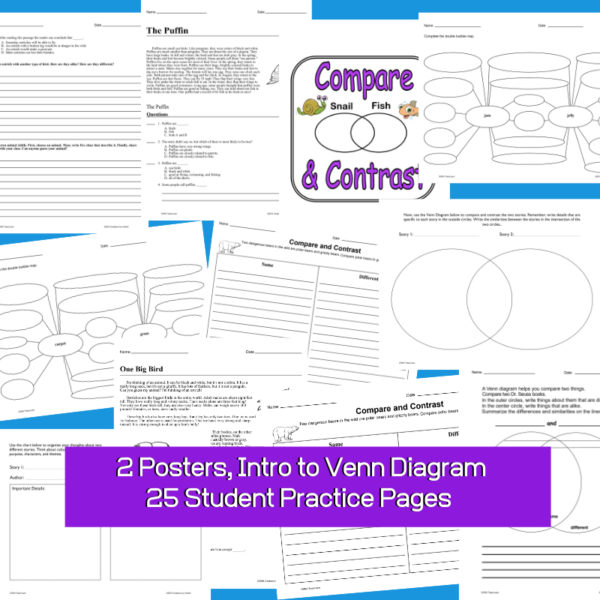
The skill of being able to compare and contrast effectively is extremely important throughout subjects: Literature, Science and Social Studies. Comparing and contrasting is necessary for interaction with the environment. Finding differences and/or similarities helps students organize both new and known information. Students need to be able to note differences and similarities between or among objects, ideas, entities, concepts, events, etc..
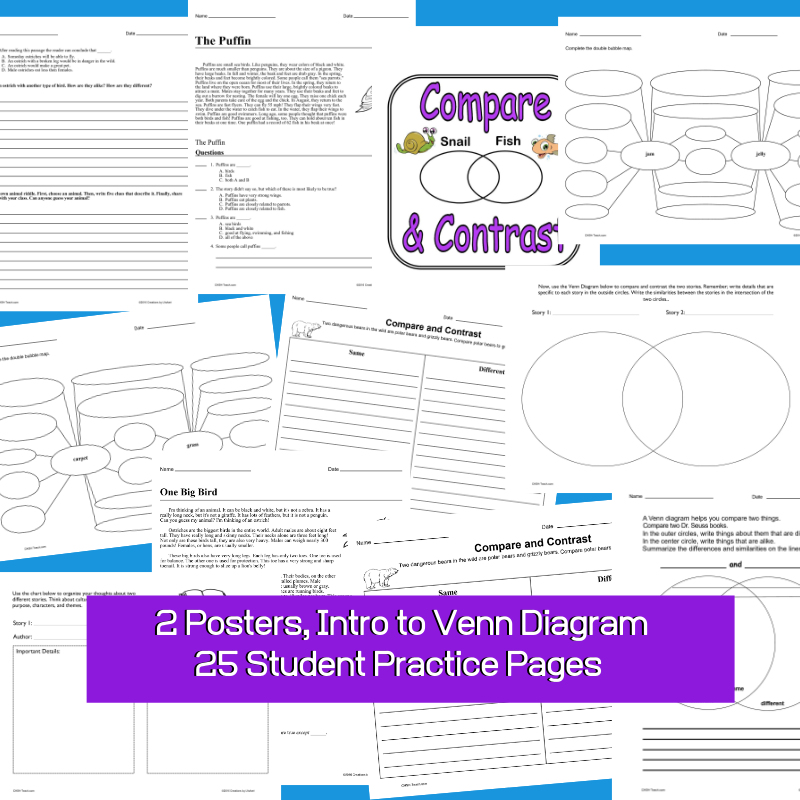
This resource includes: 2 posters, an introduction to a Venn diagram and 25 student activity pages. Once you use this resource with your students, they will have mastered the ability to compare and contrast!
Related products
-
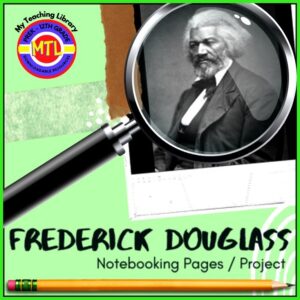
Frederick Douglass Project-Based Unit | Research – Writing – Presentation to Pinterest (opens in a new window)
 $3.00Add to Cart
✏️A student-centered resource to help students learn and practice research skills, report writing, project and presentation skills.
Students will use this project-based unit to learn about and report on Frederick Douglass. Frederick Douglass was an American social reformer, abolitionist, orator, writer, and statesman. After escaping from slavery in Maryland, he became a national leader of the abolitionist movement in Massachusetts and New York, gaining note for his oratory and incisive antislavery writings.
✏️This notebooking project unit can be assigned individually or within cooperative groups. Use it within a Language Arts classroom or a Social Studies / U.S. History classroom. Very flexible and cross-curricular! After completing the written portion of this resource, you can grade it (or) assign students to do an oral and/or audio-visual presentation based on their findings/work.
✏️What is in this resource?
- Student instructions for using biographical notebooking, project pages
- Suggested research questions
- Student notebooking, project pages (includes covers, KWL, reference recording, report writing, and more)
- Teacher pages (instructions, assignment, evaluation)
-
$2.50Add to Cart
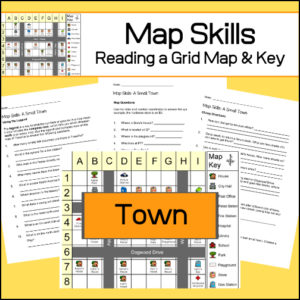
Students will be given a grid map and key of a small town and asked several questions requiring them read and navigate throughout the map. There are also two additional activities to extend learning (through writing and creative design). Answer Key included.
-
$3.00Add to Cart
This resource is filled with fun activities for students to use whenever they are studying the presidents or for Presidents day! Activities include a word search, an acrostic poetry page, presidential trivia, a ‘Which President’ worksheet, two picture graphs (Washington and Lincoln) and report / notebooking pages. Answer Keys are provided!
Great for any classroom around Presidents Day in February (or) in a Government / Civics class (or) American History class anytime of the year. Designed for 5th, 6th, 7th, and 8th graders.
See description below for more info.
-
$2.00Add to Cart
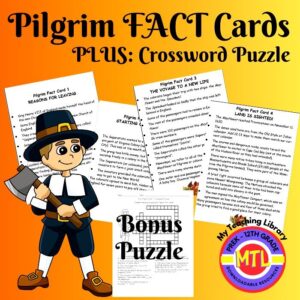
This resource gives you four Pilgrim Fact Cards:
– Reasons for Leaving
– Starting Over, Again
– The Voyage to a New Life
– Land is Sighted!Students will learn the answers to questions such as…Why did the Pilgrims leave England? Where did they move before crossing the Atlantic? What did they bring with them when coming to the New World? What is the name of the ship (not the Mayflower) that also brought pilgrims to Virginia? Why did the Wampanoag attach the colonists?
Included Bonus: A fun crossword puzzle!


Reviews
There are no reviews yet.