
Description
Click here to view ALL available Investigation Station resources!

$1.00
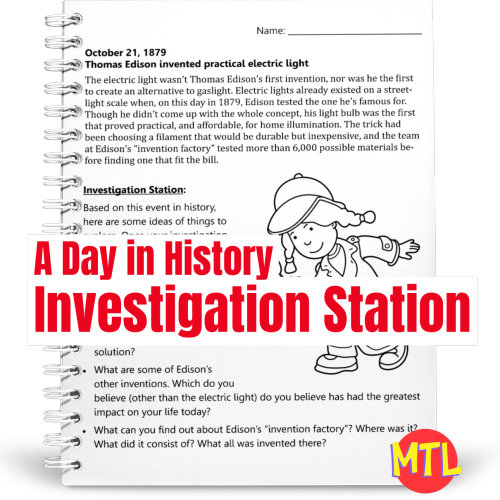
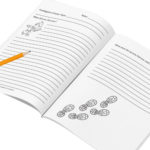
A Day in History – Investigation Station is a series of fun sleuthing research and writing activities based on a single event on a specific day in history! This resource focuses on the day that Thomas Edison invented a practical electric light for home use!
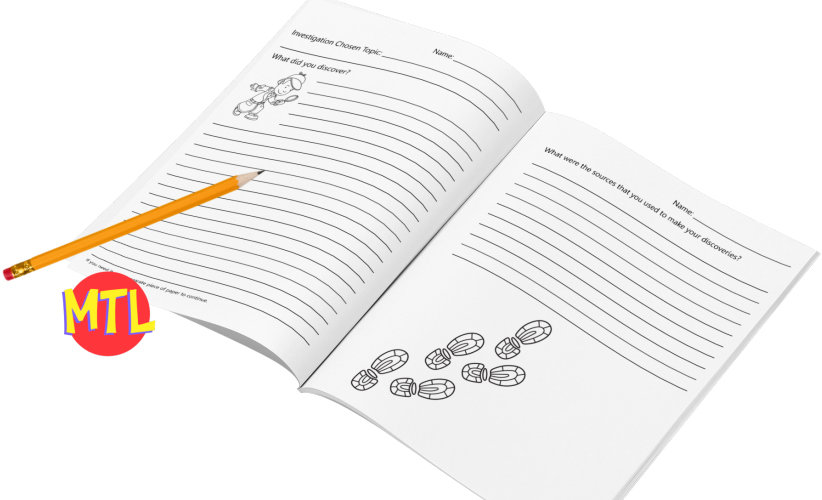
Students will learn about an event and be given several topics from which to choose to ‘investigate’. After some exploration, students are asked to write what they have discovered and name used sources.
So…with each lesson, students will:
▪ (Read) Learn one ‘On this Day in History’ fact.
▪ (Investigate) Take a related topic and explore it through the use of different forms of media (i.e. books, internet).
▪ (Write) Summarize and write what they have discovered. This also should include the recording of sources.
Only logged in customers who have purchased this product may leave a review.
✏️A student-centered resource to help students learn and practice research skills, report writing, project and presentation skills.
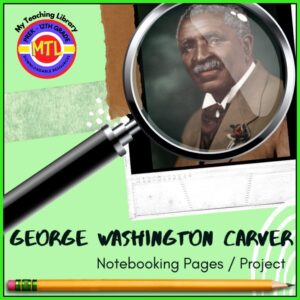
Students will use this project-based unit to learn about and report on George Washington Carver. George Washington Carver was an American agricultural scientist and inventor. He actively promoted alternative crops to cotton and methods to prevent soil depletion. Apart from his work to improve the lives of farmers, Carver was also a leader in promoting environmentalism. He received numerous honors for his work, including the Spingarn Medal of the NAACP. In an era of high racial polarization, his fame reached beyond the black community. He was widely recognized and praised in the white community for his many achievements and talents. In 1941, Time magazine dubbed Carver a “Black Leonardo”.
✏️This notebooking project unit can be assigned individually or within cooperative groups. Use it within a Language Arts classroom or a Social Studies / U.S. History classroom. Very flexible and cross-curricular! After completing the written portion of this resource, you can grade it (or) assign students to do an oral and/or audio-visual presentation based on their findings/work.
✏️What is in this resource?
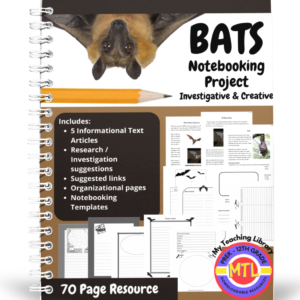
Studying bats? Here is a resource that will allow students to create a beautiful project that will show off what they’ve learned. This 70 page project unit can be used as a fully contained project resource (with no needed outside information required) or can be a launch for a full-blown research project using additional resources and includes:
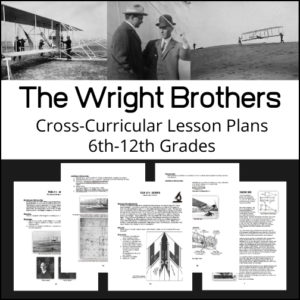
This resource will take students through a journey of learning...a journey learning about the Wright Brothers and the beginning of aviation while weaving lessons throughout various subjects: Art, Science, Math, Language Arts, Geography, Economics and even Health.
This 83-page resource provides detailed lesson plans, student information, student worksheets and many hands-on, engaging student activities!
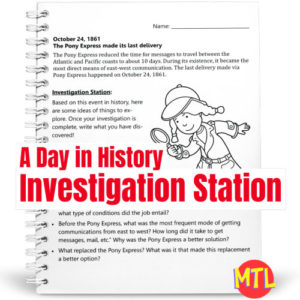
A Day in History – Investigation Station is a series of fun sleuthing research and writing activities based on a single event on a specific day in history! This resource focuses on the Pony Express.
Students will learn about an event and be given several topics from which to choose to ‘investigate’. After some exploration, students are asked to write what they have discovered and name used sources.
So…with each lesson, students will:
▪ (Read) Learn one ‘On this Day in History’ fact.
▪ (Investigate) Take a related topic and explore it through the use of different forms of media (i.e. books, internet).
▪ (Write) Summarize and write what they have discovered. This also should include the recording of sources.


Reviews
There are no reviews yet.