
Category: Life Science
Showing 41–60 of 86 resultsSorted by latest
-
 $1.50Add to Cart
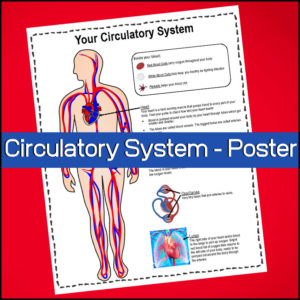
Here is a classroom poster describing the basics of the human body’s circulatory system. Perfect for a Science or Health bulletin board.
The poster outlines basic functions for the following:
- heart
- arteries
- veins
- capillaries
- lungs
- red blood cells
- white blood cells
- platelets
-
$1.50Add to Cart
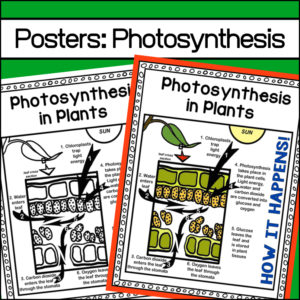
Here are 2 posters (b/w and color) of the process of photosynthesis.
-
$2.00Add to Cart
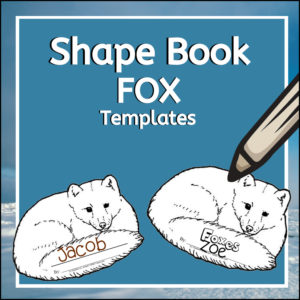
Your students will love to create a ‘fox’ story or to write a short report on foxes using this cute Fox Shape Book!
-
$8.00Add to Cart
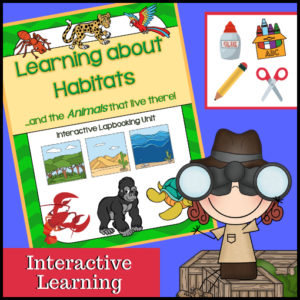
This unit on habitats and the animals that live in each is an interactive learning unit that allows students to be hands-on and create a beautiful project be the completion of the study! Use as a mini-course, in a Science center or in conjunction with another habitat study.
Use the complete unit (or) use only parts of it. Designed for 2nd-4th grades so it has been designed to work well with multiple ages/grades.
Includes:
– Instructions
– Informational text (Definition of habitat plus information on these 8 different habitats: desert, forest, ocean, arctic, wetlands, grasslands, rainforest and jungle)
– Suggested book recommendations for further study
– Project pieces (cover pages, vocabulary, definitions, habitat cards, mini-book, habitat flapbooks, habitat pockets to insert included animal cards, basic needs spinning template, favorite animal templates plus clip art)Comes in both black/white pages as well as color (so you decide if you want to print using color ink or not as well as if you want your students to color or not).
See included habitats and animals in description below.
-
$8.00Add to Cart
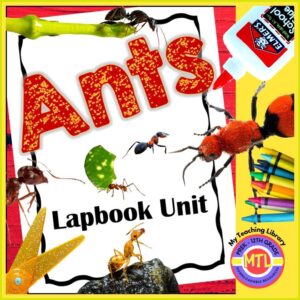
Think you know the “common” ant? Think again! With over 10,000 species crawling across the globe, these tiny powerhouses are anything but ordinary.
Ants | Hands-on Insect Science is an interactive, student-centered resource designed to transform science into a buzzing (or should we say crawling?) hub of discovery. Moving beyond simple worksheets, this unit culminates in a stunning 3D project that students can proudly display. Whether you are a homeschool parent looking for an immersive unit study or a teacher wanting to spice up your life science curriculum, this resource is built to engage.
🧠 What’s the Buzz? (The Learning Journey)
This unit dives deep into the complex world of formicaries. Students won’t just look at pictures; they’ll explore the “how” and “why” of ant life, including:
- The Life Cycle: From egg to adult.
- Anatomy: Breaking down the head, thorax, and abdomen.
- Social Structures: Understanding the hierarchy of the colony.
- Communication: How do they “talk” without voices?
- Ecosystem Impact: The good, the bad, and the tiny.
- Predators & Habitats: Who eats them and where do they hide?
📦 What’s Inside:
My Teaching Library has included everything you need to facilitate a deep-dive investigation with zero “ant-xiety”:
Feature Description Informational Text Comprehensive reading on communication, diet, and anatomy. Visual Aids Full-color posters and diagrams of the life cycle and anatomy. Species Flashcards 15 cards featuring different ants with photos and facts. Vocabulary Guide Key scientific terms with student-friendly definitions. 3D Project Templates Step-by-step instructions and templates for the final build. Fun Fact Cards Bite-sized trivia to keep engagement high. 🎨 Flexible
Whether you’re working at a kitchen table or in a 30-student classroom, this project scales to fit your needs:
- Individual Mastery: Let each student create their own 3D masterpiece.
- Cooperative Learning: Teaching multiple children? Assign roles and have students build a “super-colony” together!
Give your students a microscopic view of a massive world. 🌍
🛒 Ready to start the colony?
Add Ants | Hands-on Insect Science to your cart and download today…and watch your students’ curiosity grow!
-
$2.00Add to Cart
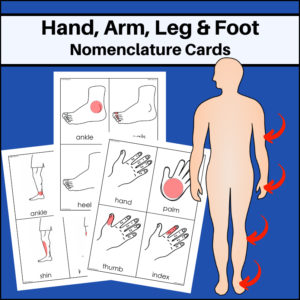
Hand, Arm & Food – Human Anatomy Nomenclature Cards – This resource will help students learn and study the location of the following parts of body parts: Hand (palm, thumb, index, middle, ring, pinky, fingernails, wrist; Arm (elbow, forearm, wrist, upper arm, shoulder); Foot (sole, ball, toes, ankle, toenails, heel); Leg (thigh, knee, calf, shin, kneecap, hip).
-
$2.50Add to Cart
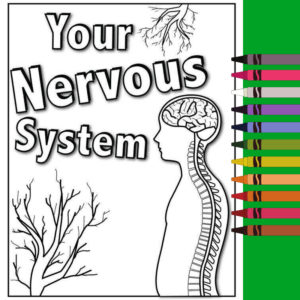
An informational coloring book about the nervous system for elementary students. There are 9 coloring pages plus a short reading comprehension quiz at the end!
-
$2.50Add to Cart
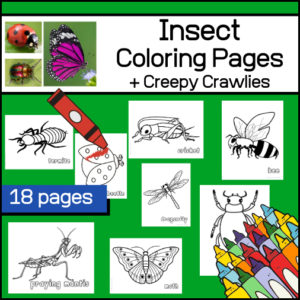
This resource is a print and go resource offering 18 coloring pages of insects plus a couple creepy crawlies! Each page has a large picture to color and the name of the ‘bug’ in font that are also ready to color.
-
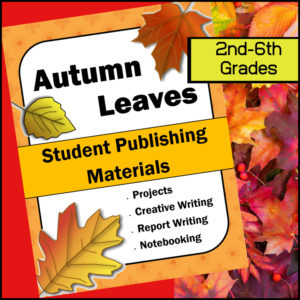
$5.00Add to CartThis resource is filled with pages that can be used across the curriculum (Language Arts and Science) as students complete creative writing assignments, notebooking reports, science inquiries and more!
Includes:* Suggested links to learn about leaves* Over 20 pages for students to publisher their work. Whether you assign poetry, an Autumn story, a Fall or holiday related research paper…Students will love to publish their work on these pages!* Leaf identification card templates for students to complete plus 2 worksheets for students to label the parts of a leaf* Many pages of leaf clip art that can be used within a project or simply to color. -
$4.99Add to Cart
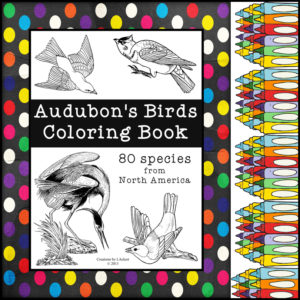
Studying birds? Ornithology? Perhaps you are simply looking for coloring pages of beautiful birds? Here is a resource that would be a good addition to your classroom. Some of the birds included: American Kestrel, Nighthawk, Mourning Dove, Barn Swallow, White-breasted Nuthatch, Blue Jay, Cardinal, Baltimore Oriole and many, many more!
*** 80 coloring pages, each with a different North American species! ***
Each page features a large b/w illustration of one bird and the type of bird that is displayed.
-
$2.75Add to Cart
🌻 Watch their knowledge grow!
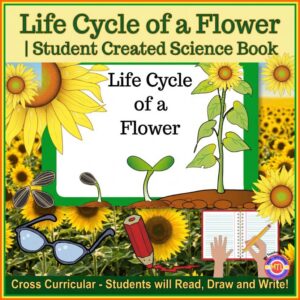
This interactive, cross-curricular project blends Science and Literacy to help students master the plant life cycle while building essential writing and reading skills.
In this activity, students don’t just read about plants—they become the authors and illustrators of their very own science journals!
🔍 How It Works: The “Read, Draw, Write” Method
This resource uses a simple, research-based three-step process on every page to reinforce learning and accommodate different ability levels:
- Read It: Students read a short, informative sentence about a specific stage in the life cycle or a plant’s needs.
- Draw It: Students visualize the concept by illustrating the page, which helps increase retention of scientific information.
- Write It: Students practice fine motor skills and vocabulary by copying the text into the provided primary or standard lines.
🧪 Key Science Concepts Covered:
- What Plants Need: Students identify and record the four essentials for life: Soil, Water, Sun, and Air.
- The Life Cycle Stages: Step-by-step pages detailing the transformation from Seed to Sprout, then to Seedling, and finally to a Mature Flower.
❤️ Why You’ll LOVE This Resource:
- Cross-Curricular Magic: Effortlessly check off Next Generation Science Standards (NGSS) and Common Core ELA standards in one engaging activity.
- Perfect for Portfolios: Creates a tangible “keep-sake” book that students are proud to take home and read to their families.
- Low Prep & High Engagement: Just print, staple, and go!
- Differentiated for Early Learners: Great for Pre-K, Kindergarten, and 1st-grade writers practicing letter formation and scientific sequencing.
Tip: Pair this book with a hands-on bean planting activity! Students can use their “Student Created Science Book” to document the growth they see in their own real-life seeds.
Bring the beauty of Spring and new growth into your lesson plans today and let your students’ creativity bloom!
-
$4.00Add to Cart
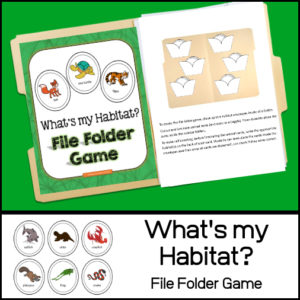
Students love learning through interactive, hands-on games! This Science resource will help your students learn to identify and classify animals based on the habitat in which they live! Includes 8 habitats and 72 animal cards.
-
$1.50Add to Cart
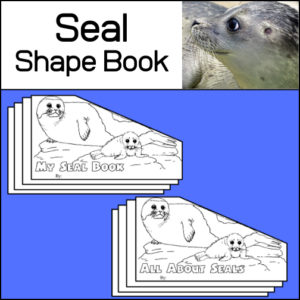
Seals are found along most coasts and cold waters, but a majority of them live in the Arctic and Antarctic waters. Harbor, ringed, ribbon, spotted and bearded seals, as well as northern fur seals and Steller sea lions live in the Arctic region. Whether you are studying these wonderful animals or just want to add a quick side lesson, here is a Seal Shape Book that students can use to self-publish their created stories, reports and poems! Templates have differing line heights to accommodate a variety of grade levels.
-
$3.00Add to Cart
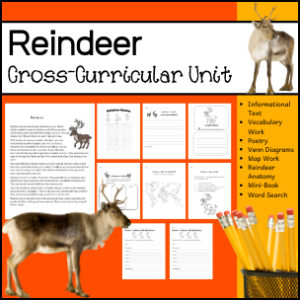
Engaging, cross-curricular unit all about reindeer!
Includes:
- – Informational Text and worksheet (true/false)
- – Vocabulary work
- – Acrostic poetry
- – Venn diagrams
- – Map work
- – Reindeer anatomy
- – Mini-Book creation
- – Word Search
- – Informational Text and worksheet (true/false)
-
$3.00Add to Cart
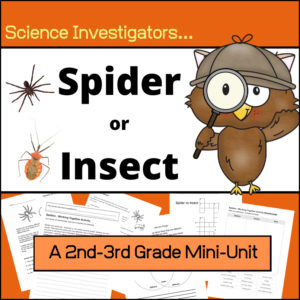
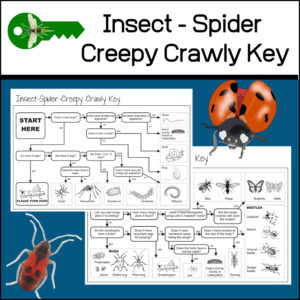
Spiders vs Insects – Science Investigator Mini-Unit has been designed to teach 2nd & 3rd grade students about the differences between these creepy crawlies!
This resource includes 2 levels of informational text (for differentiation) – reading comprehension questions for both, a couple drawing and labeling activities, a Venn diagram (compare and contrast), a crossword puzzle, a cooperative group (or partnership) activity and a short opinion essay question. Answer Keys are provided.
-
$3.00Add to Cart
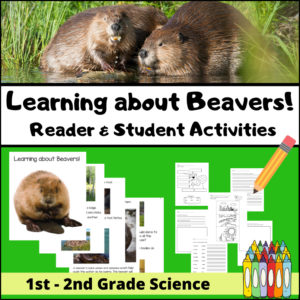
This 1st – 2nd Grade cross-curricular resource (Science, Language Arts, Art) is all about beavers and includes a READER and corresponding STUDENT ACTIVITIES! Students will learn about the beaver’s habitat, diet and how their own bodies help them survive! The reader is provided in both color and b/w.
-
$3.00Add to CartPumpkin Science has several fun, hands-on activities that ask students to compare, contrast, observe, estimate, count, sort, investigate, graph and much more…Students can even create a Pumpkin Science Journal or use pages as notebooking pages.See more about this product in the description below.
-
Botany & Plant Science Unit Study: Interactive Project-Based Learning for Grades 2-6 to Pinterest (opens in a new window)$10.00Add to Cart
🌿 Botany – Plants | Interactive Learning Unit 🪴
Transform your science lessons into a hands-on adventure!
Ready to turn your science lesson plans into a thriving garden of knowledge? This Interactive, Project-Based Botany Unit is the ultimate resource for parents and educators looking to make science come alive. Designed with flexibility in mind, this resource grows with your students, making it perfect for multi-age learning environments (Grades 2nd–6th).
🍃 What’s Inside?
Give your students an engaging, deep dive into the world of plants. This resource covers everything from the microscopic details of a cell to the fascinating world of carnivorous plants:
-
Classification 🗂️: Learn how scientists group the green world.
-
Photosynthesis ☀️: Discover the magic of how plants turn sunlight into food.
-
The Plant Cell 🔬: A closer look at the building blocks of life.
-
Parts of the Plant 🌱: From roots to petals, understand how every part has a job.
-
Needs for Growth 💧: Exploration of the essential elements: water, light, soil, and air.
-
The Life Cycle 🔄: Follow the journey from a tiny seed to a mature plant.
-
Leaf Study 🍃: Diving into the shapes, functions, and beauty of foliage.
-
Specialty Species 🌵: Explore the “wild side” with non-flowering, carnivorous, and poisonous plants!
✨ Why You’ll Love It:
From a homeschooling parent: “Finally, a resource that works for my whole family! I can teach my 2nd grader and 5th grader at the same time with activities that challenge them both.”
From a classroom teacher: “Perfect for differentiated learning!“-
Project-Based Learning: Move beyond the worksheet! Students engage in hands-on projects that solidify their understanding.
-
Differentiated for Grades 2–6: The content is adaptable, allowing you to scale the complexity up or down depending on your students’ needs.
-
Interactive & Engaging: Keeps “boredom” at bay with activities that encourage curiosity and scientific inquiry.
-
No-Prep & Easy to Use: Whether you are in a traditional classroom or at the kitchen table, this unit is organized and ready to go.
Get ready to watch your students’ curiosity bloom! 🌸
-
-
$4.50Add to Cart
Studying marine animals? Whales? If so, your students will love the student-centered, hands-on, cross-curricular project where they’ll learn all about whales while creating a lapbook or an interactive notebook.
This can be used as a stand-alone unit that includes all of the informational materials, maps, illustrations and templates needed to create a beautiful project. However, a booklist is given if further research and reading is desired.
Includes:
– Instructions and lapbook/notebooking visuals
– Supply list
– Required elements checklist (optional for teacher assigned elements)
– Grading rubric and grading sheet
– Informational text covering: General and fun information about whales in general and more specific information on 8 species (orca, sperm whale, blue whale, beluga whale, humpback whale, gray whale, bowhead whale and narwhal), taxonomy, description of the 2 types of whales (baleen and toothed), migration, diet, communication, life cycle, predators, swimming displays, vocabulary
– Book suggestions for additional reading
– Illustration of anatomy: Baleen and toothed (labeled)
– Maps (Where in the World) for the orca, sperm whale, blue whale, beluga whale, humpback whale, gray whale, bowhead whale and narwhal
– 16 pages of templates that can be used to either create a lapbook or use in an interactive notebook