
Category: Science
Showing 101–120 of 166 resultsSorted by latest
-
 $1.25Add to Cart
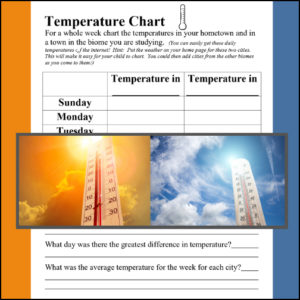
A biome is a large geographical area that contains distinct plant and animal groups which are adapted to live in that environment. There can be many different habitats in a biome. Some major biomes are tundra, taiga, grasslands, deciduous forest, fresh water, desert, alpine, rainforest and ocean. When studying a specific biome, use this temperature comparison chart to record the temperature in the student’s hometown and the biome of study for a week! (Use again and again with each biome studied)
Science meets Geography
-
$2.50Add to Cart
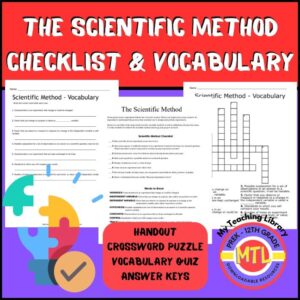
Before students begin a science project, it’s important to know important vocabulary and understand the process scientists use to design and perform experiments. This resource includes:
- Handout with a scientific method checklist (step-by-step process to follow)
- Seven vocabulary words with definitions
– Variables
– Independent variables
– Dependent variables
– Hypothesis
– Constants
– Control
– Trials - Vocabulary crossword puzzle (with key)
- Vocabulary quiz (with key)
To use again and again, laminate or place inside a sheet / page protector!
-
$9.75Add to Cart
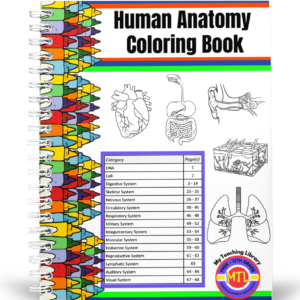
This 68-page anatomy coloring book has been designed for 5th-12th grade classrooms (Health, Science, Anatomy, Biology, Physiology).
Categories:
- DNA
- Cell
- Digestive System
- Skeletal System
- Nervous System
- Circulatory System
- Respiratory System
- Urinary System
- Integumentary System
- Muscular System
- Endocrine System
- Reproductive System
- Lymphatic System
- Auditory System
- Visual System
-
$2.00Add to Cart
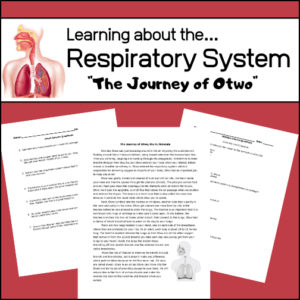
Students will learn about the respiratory system by following Otwo (the oxygen molecule) as he goes from bouncing around in the outside air into the human body! After reading the story, students will complete two worksheets (multiple choice and short answer) to access their understanding. Answer keys provided.
-
$1.50Add to Cart
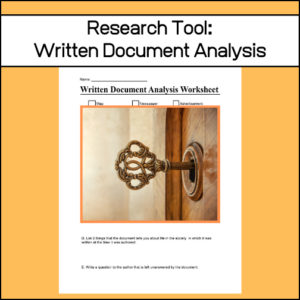
When doing research, students will find many written documents that could be appropriate to draw from. However, it is important to analyze each. Why? Analyzing historical documents requires students to identify the purpose, message, and audience of a text. This worksheets is a graphic organizer that will guide students through the analysis of these documents.
-
$1.00Add to Cart
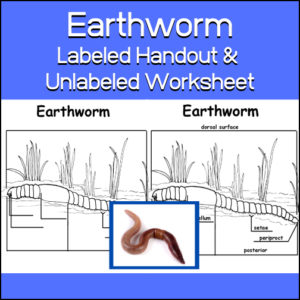
The earthworm is an annelid. The annelids , also known as the ringed worms or segmented worms, are a large phylum, with over 22,000 species which includes earthworms, ragworms, and leeches. This resource includes a labeled handout (showing the following parts: mouth, prostomium, clitellum, setae, periproct) and a worksheets for students to label.
-
$5.00Add to Cart
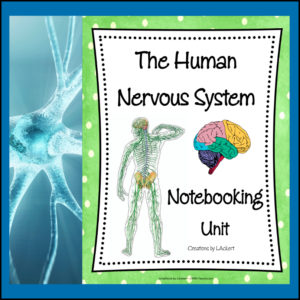
This BIOLOGY / HEALTH / ANATOMY / BODY SYSTEMS resource centers around the human nervous system and is a notebooking project unit. This interactive 56 page resource will require students to perform research and can be used independently or along side your curriculum.
-
$1.00Add to Cart
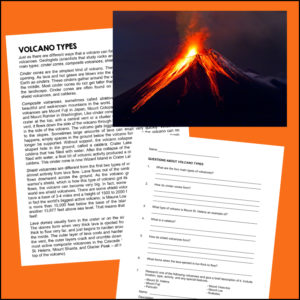
Here is a one page informational article to help students (6th-9th grades) learn about the various types of volcanoes and characteristics of each. After reading the text, student will answer questions to assess their comprehension.
-
$2.50Add to Cart
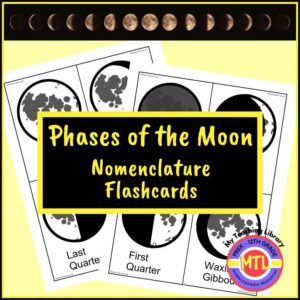
Teaching about the different phases of the moon? Get “Earth Science: Moon Phases Nomenclature Flashcards” to help students learn and identify the 8 different phases of the moon, regardless of grade level.
✨ What’s Included:
- Printable Nomenclature / flash cards for hands-on learning.
- Clear and concise labeled illustrations of each of the following moon phases: new moon, waxing moon, first quarter, waxing gibbous, full moon, waning gibbous, last quarter and waning crescent
✅ Perfect For…
- – Earth Science and general science lessons
- – Engaging students with moon phases and astronomy concepts.
This resource is built on the belief that understanding scientific terminology should be an active and interactive process. By utilizing a nomenclature-based approach, these flashcards encourage students to not only memorize terms but also to actively engage with the visual and conceptual aspects of moon phases. This method fosters deeper understanding and retention, making complex scientific ideas more accessible and memorable for every learner.
📚 Learning Objectives
- – Students will be able to identify and name the different moon phases.
- – Students will understand and define key Earth Science vocabulary related to the moon.
Transform your science lessons with these dynamic and effective Earth Science Vocabulary Moon Phases Nomenclature Flashcards! They are a fantastic tool to illuminate the wonders of space science for your students.
Click Add to Cart today!
-
$3.00Add to Cart
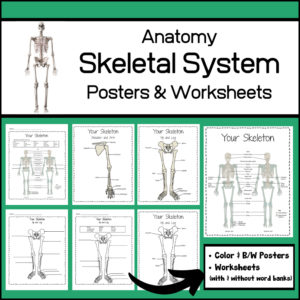
This ANATOMY / BIOLOGY / HEALTH resource includes 3 sets of human skeleton posters and worksheets to help you teach the names of major bones. Each set has a color poster (great for bulletin boards) and b/w poster (great for student handouts) and each worksheet comes with and without a word bank. Bones: Skull (cranial portion, facial portion), clavicle, scapula, sternum, ribs, vertebral column, hip bones (pelvic girdle), humerus, ulna, radius, carpals, metacarpals, phalanges, femur, patella, tibia, fibula, tarsals, metatarsals.
-
$1.00Add to Cart
One strategy to help students learn unfamiliar vocabulary is called: Guess the meaning. This ready-to-use worksheet has been designed to be used again and again, throughout the school year as students encounter new vocabulary words. Students will write each ‘new‘ word, what they ‘think’ it means and then after looking up the word in a dictionary, they will write an actual definition.
-
 $1.00Add to Cart
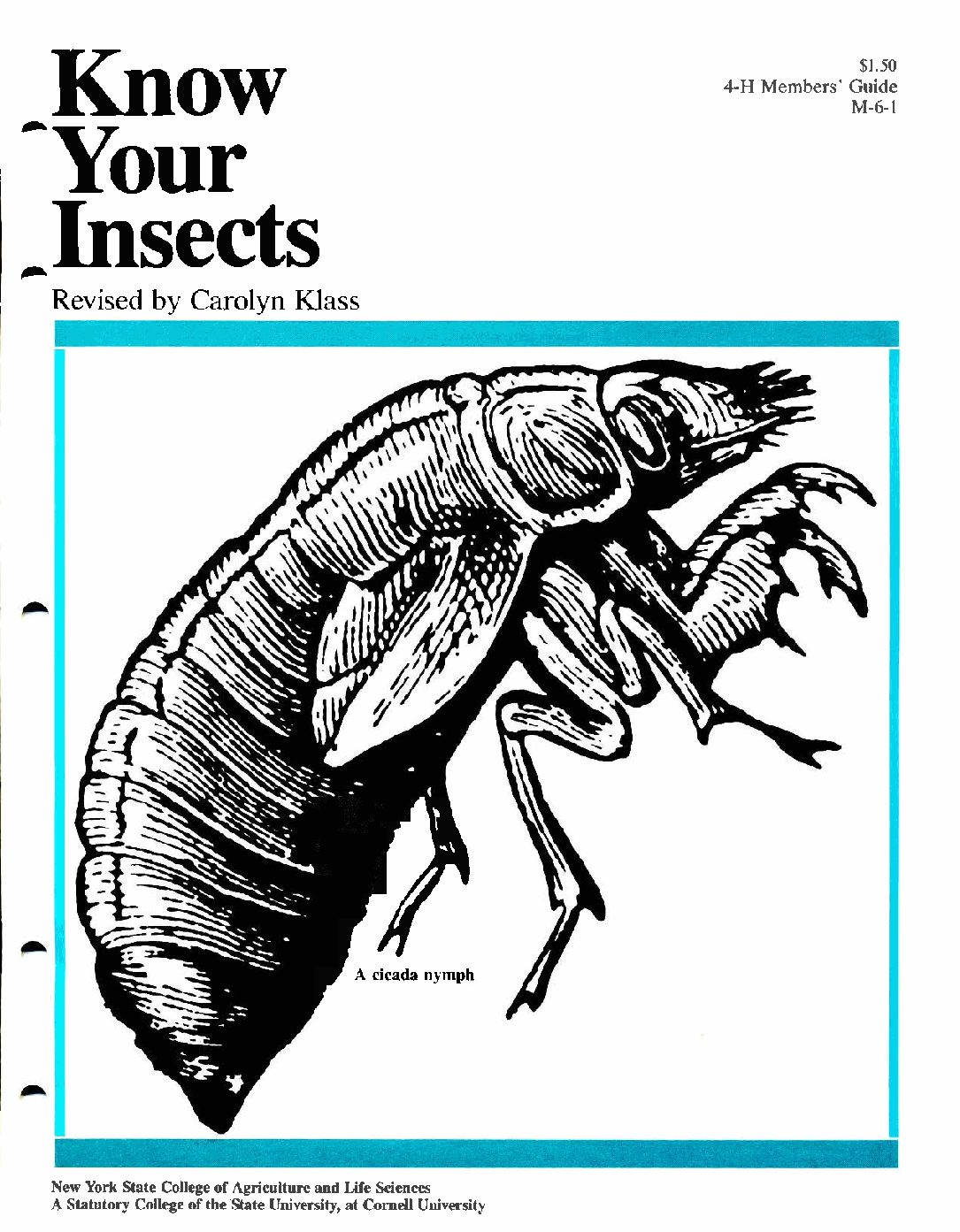
This is a small (15 page) old handout to help students learn basics about insects and how to mount them when creating an insect collection.
-
$1.00Add to Cart
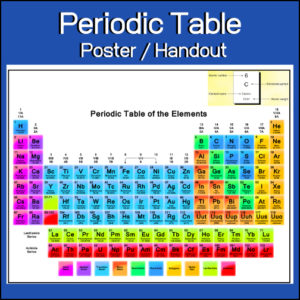
You can use this resource as a poster or a handout – the Periodic Table of Elements (with a ‘how to read each element’ visual model).
The table shows all elements through 103 Lr and is color coordinated showing:
– alkali metal
– alkaline earth
– transition metal
– basic metal
– semimetals
– nonmetals
– halogens
– noble gas
– langthanides
– actinides -
$2.75Add to Cart
Easy-to-use, step-by-step, print-and-go guide for students to use as they learn to write a 5-paragraph essay! This nature-themed resource has a local bird focus and guides students as they research, observe and write about one bird species that lives in their local area.
This 3-page resource outlines paragraph by paragraph what to include and gives space for students to write detailed notes.
What will students learn and observe about a bird species before they begin writing?
– where the bird geographically lives
– habitat(s) where they are most likely found
– physical characteristics (coloring, markings, size, bill, feet)
– diet (herbivore, carnivore, omnivore) and where/how they find/gather their food
– predators and self-protection
– interesting factsPlus, this guide will encourage students to reflect on what they have learned.
Once completed, students will be able to take the guide and their notes and write amazing 5-paragraph essays!
Use once as one assignment for one bird of their choice or use again and again to create an entire collection of essays on local birds. Regardless of where you live, these pages will have students observing and learning about local birds.
-
$2.00Add to Cart
This resource is meant to help students learn and remember the basic parts of a neuron (dendrite, nucleus, cell body, myelin sheath, axon and axon terminals).
Includes:- – Poster
- – Center activity
- – 2 Student worksheets
- – Answer Key
-
$1.00Add to Cart
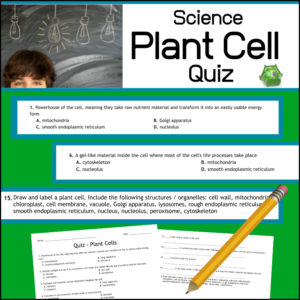
The resource is a 15 question quiz that will assess student understanding of the following structures / organelles of a plant cell: cell wall, mitochondria, chloroplast, cell membrane, vacuole, Golgi apparatus, lysosomes, rough endoplasmic reticulum w/ ribosomes, smooth endoplasmic reticulum, nucleus, nucleolus, peroxisome, cytoskeleton
-
$3.00Add to Cart
This layered research assignment gives students the opportunity to delve deeply into a topic and give students a variety of tasks from which to choose, all designed to guide and build a meaningful learning experience. Also, when using this layered approach, students will move through Bloom’s Taxonomy of knowledge, comprehension, application, analysis, synthesis and evaluation. (See below description for more details.)
Closely related resources:
-
$4.99Add to Cart
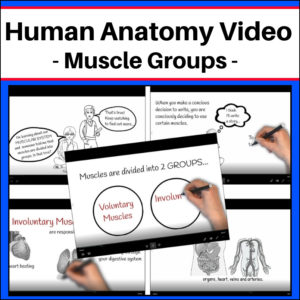
Human Anatomy – Muscle Groups Video has been created to introduce, explain and/or review voluntary and involuntary muscles in the human body. Each group is defined, explained and definitions given. This is great for visual learners!
To add student interest, one student is helping another student learn, interesting graphics have been added and upbeat music fills the background. (Music is easily muted if needed.)
Supporting Document: A worksheet (with answer key) that students can complete as they watch!
-
$1.50Add to Cart
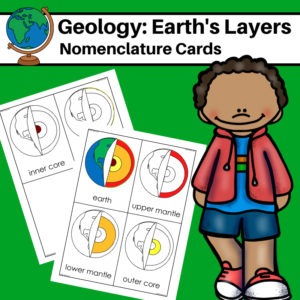
This resource, Earth’s Layers – Nomenclature Cards, will help your students learn the names of the layers of the Earth: upper mantle, lower mantle, outer core, inner core, and crust.
I’ve also included a set of blank cards for students to use and label themselves!
-
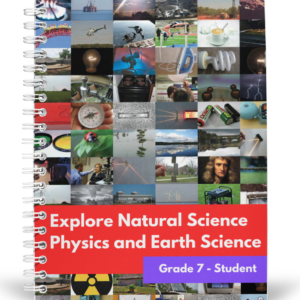
Natural Science: Physics & Earth Science – Grade 7 (Student Edition) to Pinterest (opens in a new window)$15.00Add to Cart
This physics and earth science student textbook is designed to use with middle school students (specifically those learning at or ready for 7th grade work). View the table of contents in the description below. Preview video here.
Get the TEACHER’S EDITION here!
Bundle and Save: 7th Grade Science Curriculum Bundle


&url=https://myteachinglibrary.com/product/natural-science-physics-earth-sci-7th-student/&media=https://myteachinglibrary.com/wp-content/uploads/2019/08/Z-260-Natural-Science-Gr-7-Physics-Earth-Student-1024x1024.png)