
Category: Science
Showing 121–140 of 167 resultsSorted by latest
-
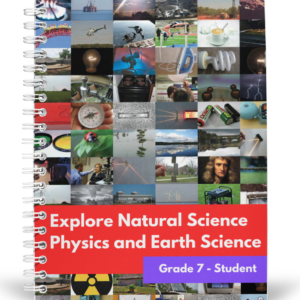
Natural Science: Physics & Earth Science – Grade 7 (Student Edition) to Pinterest (opens in a new window)
 $15.00Add to Cart
This physics and earth science student textbook is designed to use with middle school students (specifically those learning at or ready for 7th grade work). View the table of contents in the description below. Preview video here.
Get the TEACHER’S EDITION here!
Bundle and Save: 7th Grade Science Curriculum Bundle
-
$6.00Add to Cart
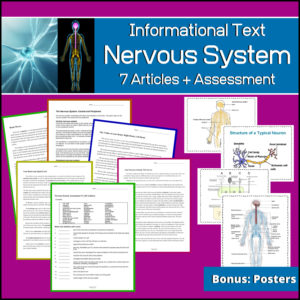
This ANATOMY / BIOLOGY / HEALTH resource contains 7 informational text articles (each with comprehension questions followings), 2 end of unit assessments and 4 bonus posters! These articles can be used in any Science related class or in a Language Arts / Reading classroom. Use as standalone mini-lessons or as supplemental activities, homework or in centers.
Flesch-Kincaid Grade Levels for articles range from 5.1 – 7.4
-
$1.50Add to Cart
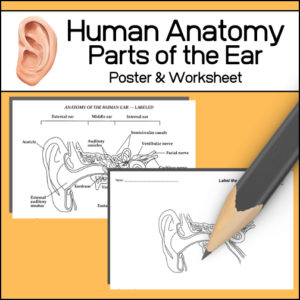
Studying the human ear? This resource includes…
- – Poster with the following parts labeled (auricle, auditory ossicles, semicircular canals, vestibule nerve, facial nerve, cochlear nerve cochlea, vestibule, eardrum, Eustachian tube, external auditory meatus)
- – Student worksheet to label
-
$3.00Add to Cart
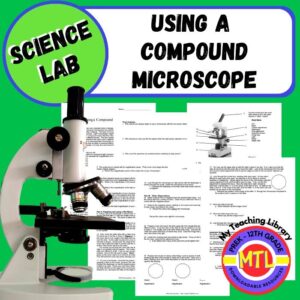
This is a complete, step by step science lab during which students will learn about, use a compound microscope and record their observations as well as important facts they’ve learned.
Key highlights covered:
- – Parts of a compound light microscope and their functions
- – How to calculate magnification
- – How to make a wet mount slide
- – Detailed information on how to use the microscope
-
$0.50Add to Cart
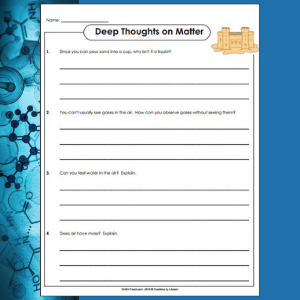
Taking what they already know about ‘matter’, this one page worksheet will require students to ‘think deeply’ (using critical thinking skills) to answer questions. Answer key also included.
-
Natural Science: Biology & Chemistry – Grade 8 (Teacher’s Edition) to Pinterest (opens in a new window)$15.00Add to Cart
This is the teacher’s edition to Natural Science: Biology & Chemistry – Grade 8 (Student Edition)
Watch a video preview of the matching student textbook here.
Bundle and Save: 8th Grade Science Curriculum Bundle
-
$1.25Add to Cart
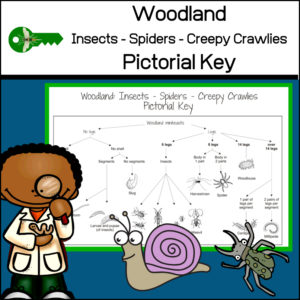
Students love entomology! What is that bug? Some may use the term MINI-BEAST. Is it an insect, a spider, a slug? “I found this bug in the woods, but what is it called?” To help answer student questions like these, here is an easy to use PICTORIAL IDENTIFICATION KEY!
Woodland minibeasts included on this picture guide: snail, worm, larvae (pupae), slug, beetle, earwig, aphid, weevil, harvestman, spider, woodlouse, centipede and millipede (all common creepy crawlies found in the woods)
-
$1.00Add to Cart
Chemical Energy is released when bonds form in a chemical reaction, often producing heat as a by-product (exothermic reaction).
Here are four experiments for students to perform which display chemical energy! Experiments include:
1. Rusty Heat
2. Easy Endothermic Reaction
3. Classic Mentos Geyser
4. Hot Ice -
$2.00Add to Cart
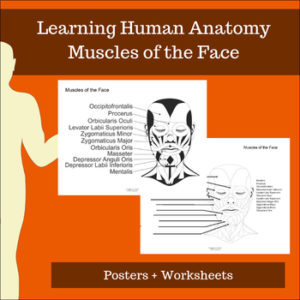
Muscles of the Face – Learning Human Anatomy will be exactly what you need if you are looking for a easy to read posters as well as a labeling worksheet for students.
This resource actually comes with two worksheets, one with and one without terms. (You choose if you want your students to completely remember the names or if they need the terms to help them. )
-
$3.00Add to Cart
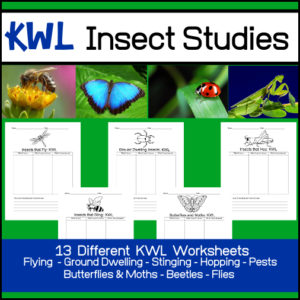
Want student to investigate a variety of different types of insects? This K-W-L resource includes 13 different KWL worksheets so that students (individually or in cooperative groups) can use as they study different bugs and creepy crawlies. Perhaps they want (or you want) the focus to be on insects that hop or ground dwelling insects. What if their study should focus on beetles only or butterflies and moths? Not only will you get worksheets for a variety of specified ‘types’ of insects but I’ve also included some that can be tailor designed to what you or your students choose to study!
-
$20.00Add to Cart
Physical Science is the study of the inorganic world. It is ordinarily thought of as consisting of four broad areas: astronomy, physics, chemistry, and the Earth sciences. This textbook is a full-year Physical Science curriculum (356 pages) and can be used in Middle or High School.
-
$4.00Add to Cart
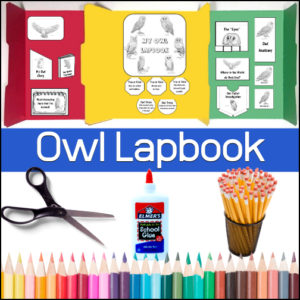
This engaging, hands-on project will give students the materials necessary to learn all about owls and create a great project to display their learning!
Suggested for 3rd-6th grades. (See description for more information)
-
$1.00Add to Cart
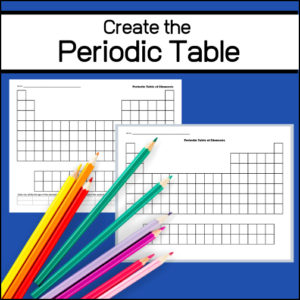
Here are two worksheets for students to use to create the periodic table of elements.
– One for elements only
– One to create a color key showing the type of elementsThese are great for students to use when they are just learning the elements and can be used as a student-created study guide as well.
-
$1.00Add to Cart
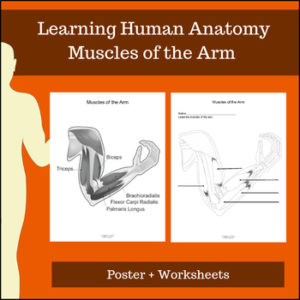
Muscles of the Arm – Learning Human Anatomy will be exactly what you need if you are looking for a easy to read poster as well as a labeling worksheet for students.
This resource actually comes with two worksheets, one with and one without terms. (You choose if you want your students to completely remember the names or if they need the terms to help them. )
-
Natural Science: Physics & Earth Science – Grade 8 (Teacher’s Edition) to Pinterest (opens in a new window)$15.00Add to Cart
This is the teacher’s edition for Natural Science: Physics & Earth Science – Grade 8 (Student Edition)
Bundle and Save: 8th Grade Science Curriculum Bundle
-
$1.00Add to Cart
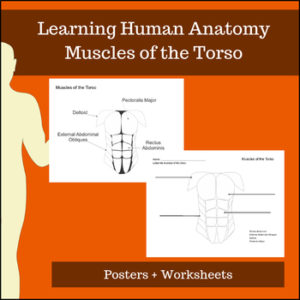
Muscles of the Torso – Learning Human Anatomy will be exactly what you need if you are looking for a easy to read posters as well as a labeling worksheet for students.
This resource actually comes with two worksheets, one with and one without terms. (You choose if you want your students to completely remember the names or if they need the terms to help them. )
-
$2.00Add to Cart
Kinetic energy is energy possessed by an object due to its motion or movement. Potential energy is the stored energy of position possessed by an object. Here are eight experiments for students to perform which display chemical energy! Experiments include:
1. Rube Goldberg Machines
2. Homemade Marble Run
3. Bucket Spin
4. Salad Spinner Art
5. Rubber Band Vehicles
6. Rubber Band Car
7. Flywheel Battery
8. Pendulum of Peril -
$2.00Add to Cart
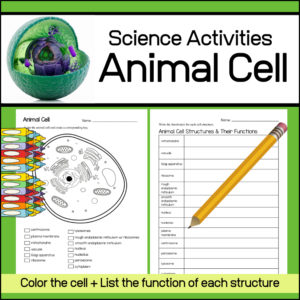
This Science / Biology resource includes 2 activity worksheets for students to help them review the structures / organelles of an animal cell and the main function(s) of each. Structures /organelles include: centrosome, plasma membrane, mitochondria, vacuole, Golgi apparatus, ribosome, lysosomes, rough endoplasmic reticulum, smooth endoplasmic reticulum, nucleus, nucleolus, peroxisome, cytoplasm
-
$1.75Add to Cart
This is a resource designed to teach students about Louis Pasteur and his important contribution to science in germ theory, spontaneous generation, pasteurization and the rabies vaccine. After reading 2 pages of informational text, students will be asked 9 short answer questions to assess comprehension of the material. Answer key is provided.