
Category: Life Science
Showing 21–40 of 42 resultsSorted by latest
-
 $4.00Add to Cart
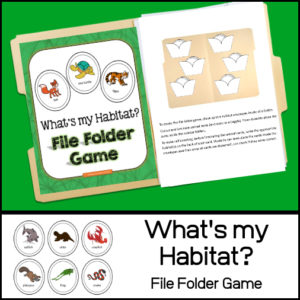
Students love learning through interactive, hands-on games! This Science resource will help your students learn to identify and classify animals based on the habitat in which they live! Includes 8 habitats and 72 animal cards.
-
$1.50Add to Cart
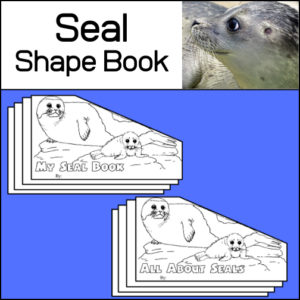
Seals are found along most coasts and cold waters, but a majority of them live in the Arctic and Antarctic waters. Harbor, ringed, ribbon, spotted and bearded seals, as well as northern fur seals and Steller sea lions live in the Arctic region. Whether you are studying these wonderful animals or just want to add a quick side lesson, here is a Seal Shape Book that students can use to self-publish their created stories, reports and poems! Templates have differing line heights to accommodate a variety of grade levels.
-
$3.00Add to Cart
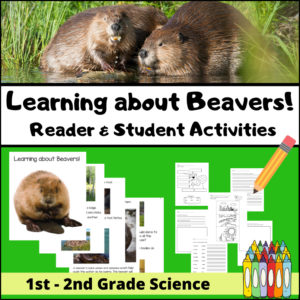
This 1st – 2nd Grade cross-curricular resource (Science, Language Arts, Art) is all about beavers and includes a READER and corresponding STUDENT ACTIVITIES! Students will learn about the beaver’s habitat, diet and how their own bodies help them survive! The reader is provided in both color and b/w.
-
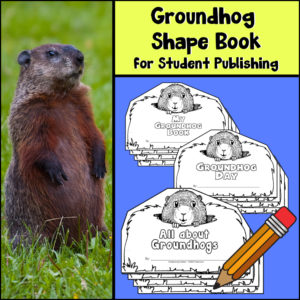
$3.00Add to CartStudents will love creating their own book about Groundhogs also known as the woodchuck. Use for Groundhog Day or anytime. This resource is sure to spark creativity! Add this to your lesson plans around Groundhog Day (in February), alongside a Science lesson on burrowing animals or anytime! This resource will have students engaged in writing and publishing.
-
$1.50Add to Cart
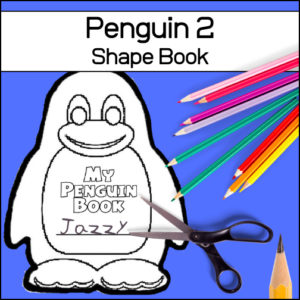
Studying penguins or perhaps animals of the arctic? This cute shape book is ready for students to use to publish there own stories, reports or poems about penguins!
In this specific resource, single lined pages are used.
-
$1.75Add to Cart
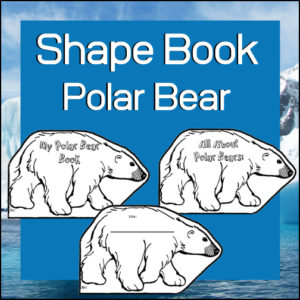
Students love to create and this resource, Shape Book – Polar Bears, will give them a fun template to create! Whether they are publishing a story, a poem or a brief report about the arctic, arctic animals or polar bears, their work will be extra special to them using these polar bear templates.
See description below for suggestions on how to use.
-
$2.00Add to Cart
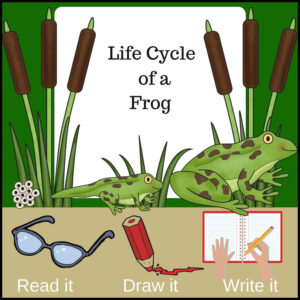
This cross-curricular (Science / Literacy – Writing ) product will have students creating their very own mini-books detailing the life cycle of a frog!
Knowledge students will learn:
The book will begin with the female frog laying her eggs near or in water. Students will then learn about the tadpole, what it looks like and what it eats and how it grows and turns into a froglet. They will learn how the froglet has developed the ability to breathe and live on land and then turns into a frog. Does a frog eat different things than a tadpole? Students will find out! At the end of the unit, there is also a coloring page of the different stages from egg to frog.
Students will: — read the text — draw a picture — write (copy) the written text
-
$2.50Add to Cart
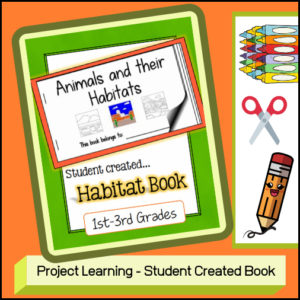
Hands-on learning! Students will create their own mini-book while learning about 8 different habitats, animals that live in those habitats and what animals need to survive in their habitats!
-
$2.50Add to Cart
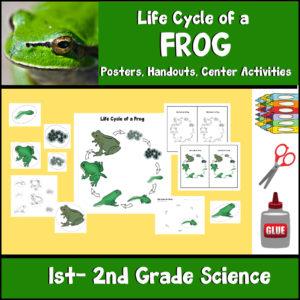
This 1st / 2nd Grade Science resource provides posters, handouts and center activities to help students learn about the life cycle of a frog! Seven stages are shown and pages come in color and b/w.
Easy to use and differentiated (Based on student ability – Easiest: Color the life cycle / Medium: Color, cut and paste the life cycle / Hardest: Draw the life cycle)
-
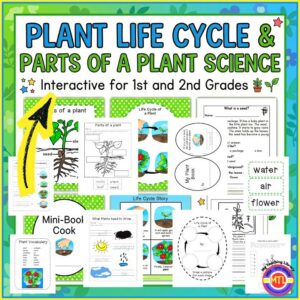
Plant Life Cycle & Parts of a Plant Science | Interactive for 1st and 2nd Grades to Pinterest (opens in a new window)$6.00Add to Cart
Watch your students’ curiosity bloom with Let’s Learn About Plants! Whether you are looking for a comprehensive standalone unit or a high-quality supplement to your existing science curriculum, this resource is designed to keep young learners growing.
This pack moves beyond simple reading—it’s an interactive experience. Students will be actively engaged as they cut, color, paste, and write their way through the fascinating world of botany. From the tiny secrets of a seed to the full cycle of a flowering plant, your classroom will transform into a garden of discovery! 🪴
🔍 What’s Inside the Greenhouse?
This resource is packed with everything you need to provide a multi-sensory learning experience:
- 16 Vocabulary Word Cards: Perfect for word walls or pocket charts.
- 3 Sets of Sequencing Cards: Master the plant life cycle through visual storytelling.
- Sequencing Worksheets: Reinforce the “what comes next” logic.
- 4 Vibrant Plant Posters: Beautifully illustrated to brighten up your science center.
- Mini-Book Activity: A project students will be proud to keep read.
- 20+ Comprehensive Worksheets: Covering everything from anatomy to growth needs.
📖 Building a Scientific Vocabulary
Help your students speak like real scientists! This unit covers 16 essential terms:
Seed, Sprout, Seedling, Plant, Roots, Stem, Leaf, Soil, Sunlight, Water, Air, Flower, Bud, Trunk, Branch, and Crown.
🛠️ Skills-Based Learning
This isn’t just “busy work.” While exploring biology, students will sharpen critical developmental skills, including:
- Fine Motor: Tracing, precision cutting, and gluing.
- Literacy: Copy work and vocabulary retention.
- Scientific Inquiry: Investigation journaling and data measuring.
🏫 Perfect For…
- ✅ Science Centers: Independent exploration stations.
- ✅ Homeschooling: Easy-to-follow, “grab-and-go” lessons.
- ✅ Seatwork & Review: Engaging tasks for morning work or early finishers.
- ✅ Cooperative Learning: Fun group activities and sequencing games.
🌻 Ready to watch your science lessons grow?
Give your students the tools they need to investigate the natural world around them.
👉 Get “Plant Life Cycle & Parts of a Plant Science” Today and Start Digging into Science! 🚀
-
$3.00Add to Cart
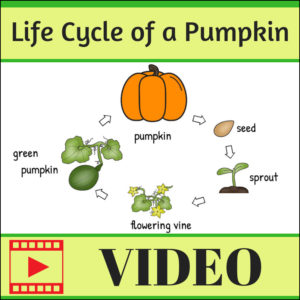
LIfe Cycle of a Pumpkin Video is a great way to introduce or review the life cycle of a pumpkin. Great for visual learners!
Stages of the life cycle include: seed, sprout, flowering vine, green pumpkin, pumpkin (orange).
-
$2.50Add to Cart
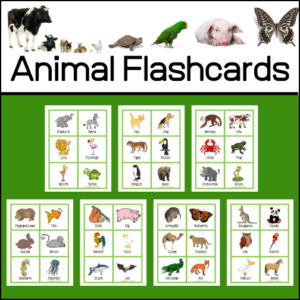
42 colorful animal flashcards
Suggested uses:
- – to learn animal names
- – to learn classification (ex: sort by habitat, number of legs, mode of transport such as flying, running or swimming, etc)
-
$1.75Add to Cart
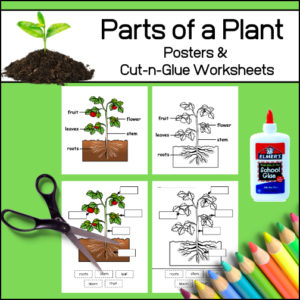
This resource includes two labeled posters (1 color – 1 b/w) and two cut-n-paste worksheets. It has been designed for younger students with only five parts of the plant listed: roots, leaves, stem, flower and fruit.
-
$2.50Add to Cart
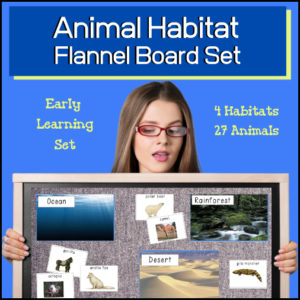
Help students learn to identify and classify animals by their habitat in which they live. This will be a fun Science activity for students as they sort animal cards among 4 habitats: Tundra, Desert, Ocean and Rain Forest. Great for a Science Center as well as using for a cooperative group activity!
Includes: 27 animal cards / 4 habitat scene cards
-
$1.00Add to Cart
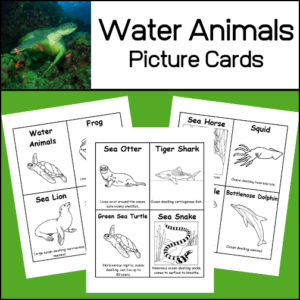
11 animals that live in water – picture cards. Each card includes the type of animal, a short description and a picture to color.
Animals included are:- – frog
- – sea lion
- – trout
- – sea horse
- – squid
- – right whale
- – bottlenose dolphin
- – sea otter
- – tiger shark
- – green sea turtle
- – sea snake
-
$1.50Add to Cart
Help students learn the differences (and similarities) between an alligator and a crocodile with this resource and have a cute 18 page mini-book to create and color!
-
$4.00Add to Cart
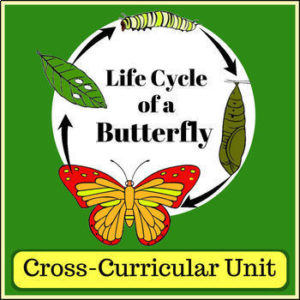
Butterfly Life Cycle Unit is a 49 page cross-curricular unit offering Language Arts, Science, Math and Art activities! By the end of your study, students will know all about the life cycle of the butterfly.
What is included? Puzzles, posters, worksheets (for tracing, matching, coloring, and completing the life cycle), coloring pages, songs, life cycle mini-book (for students to complete) and even a craft project.
-
$1.00Add to Cart
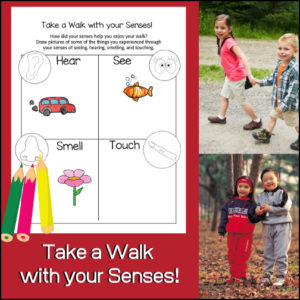
This worksheet has been designed for students to complete after taking a walk! While they walk, remind them of their senses (specifically hearing, seeing, smelling and touching). Once the walk is over, students will complete this worksheet by drawing pictures of what they experienced through those four senses.
-
$2.50Add to Cart
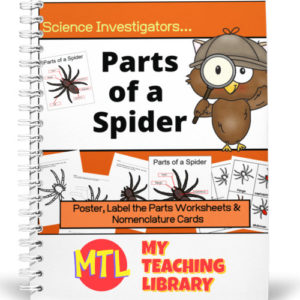
Help students learn the parts of a spider with this fun arachnid resource! Students will learn the following parts: eyes, fangs, cephalothorax, abdomen, spinnerets, legs.
Includes:
- – Color poster
- – 2 Worksheets – One for students to write and label, the other to cut and paste.
- – 1 Science Center activity
- – Nomenclature flashcards – Labeled
- – Blank Cards for students to complete
-
$3.50Add to Cart
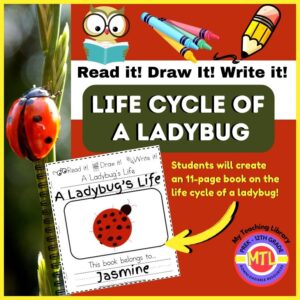
A cross-curricular (Science / Literacy – Writing) product that will have students creating their very own mini-books detailing the life cycle of a ladybug!
Knowledge students will learn:
- -The ladybug is a beetle
- -Mother ladybugs lay tiny yellow eggs in clusters under a leaf
- -When the larva hatches, it eats. What do ladybugs eat? Students will find out!
- -What the ladybug pupa looks like before attaching itself to a leaf
- -The pupa grows, molts and changes…emerging as a ladybug!
Students will:
- -Read the text
- -Draw a picture
- -Write (copy work) the written text.
Benefits of this resource:
- -Low prep – print and give to students
- -Children learn about the ladybug life cycle while reading, drawing and writing
- -Encourages fine motor skills through coloring and writing plus scissor skills as the cut out each page along the dotted lines
- -Encourages reading skills as students read and copy the text
- -Finished book can be a keepsake Science mini-book and added to end-of-the-end portfolio.
What is included? 11 ready-to-use student pages
⭐⭐Use along or with: Ladybug Life Cycle | Posters and Worksheets